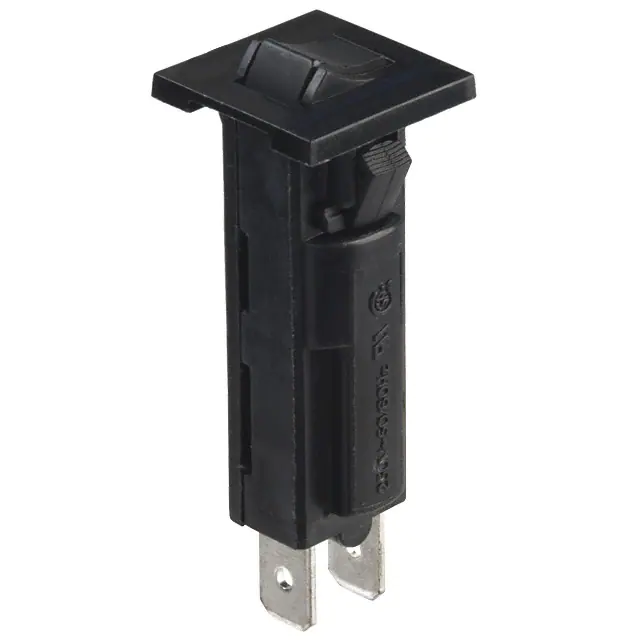
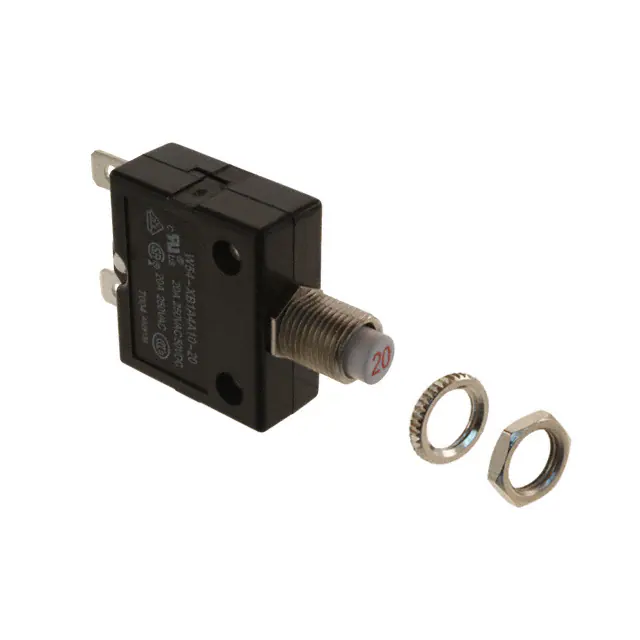
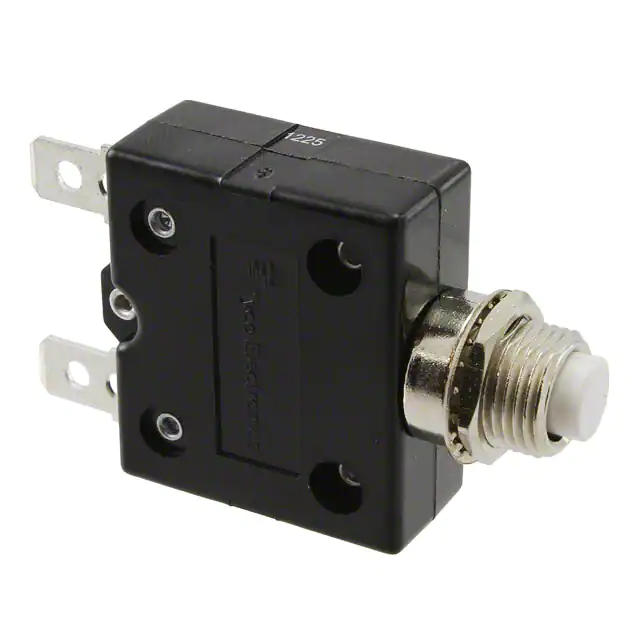
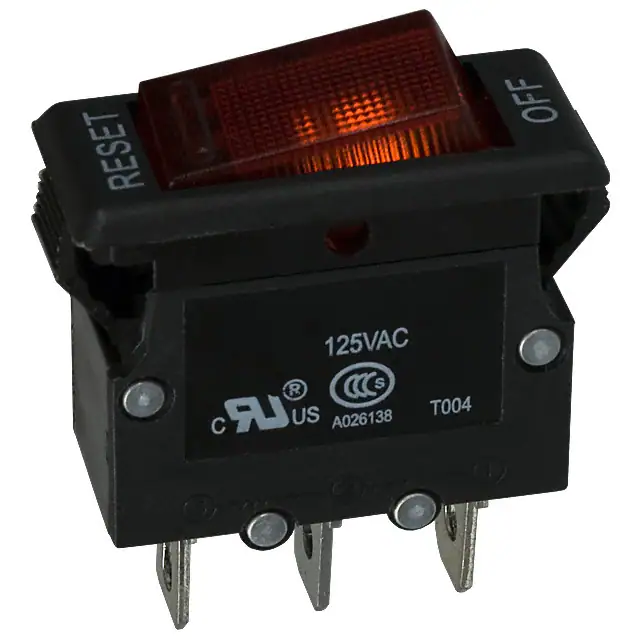
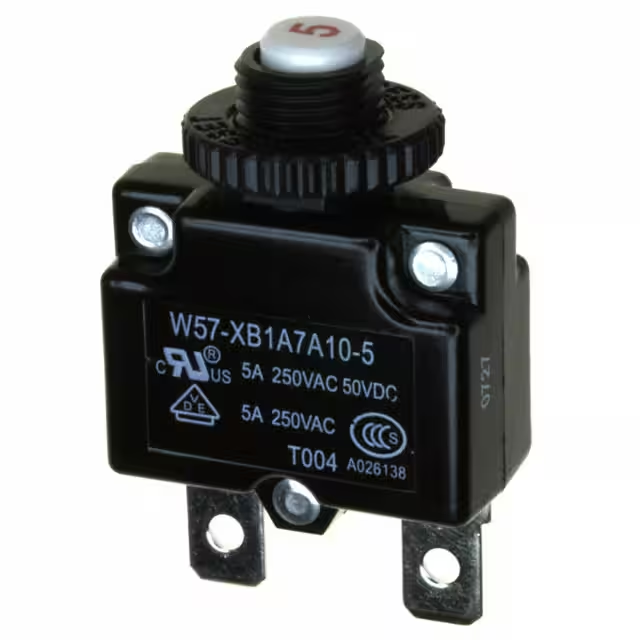






A circuit protector is any device that prevents electrical damage by stopping or limiting current during a fault condition. It can refer to fuses, breakers, or electronic protection components.
A protection circuit is usually built inside a device to protect a specific function. Circuit protection refers to external components used to protect the whole electrical system.
Neither is better in all cases. Fuses are cheaper and faster, while circuit breakers can be reset and reused. The choice depends on system design and cost requirements.
It depends on voltage, current, response speed, and whether the application is industrial, automotive, or consumer electronics.
They are used in residential wiring, industrial automation, consumer electronics, and automotive systems such as EVs and battery management units.
Submit your requirement to source active, surplus, or obsolete circuit protection. OEM STOCK supports global procurement teams with fast availability matching and sourcing solutions.
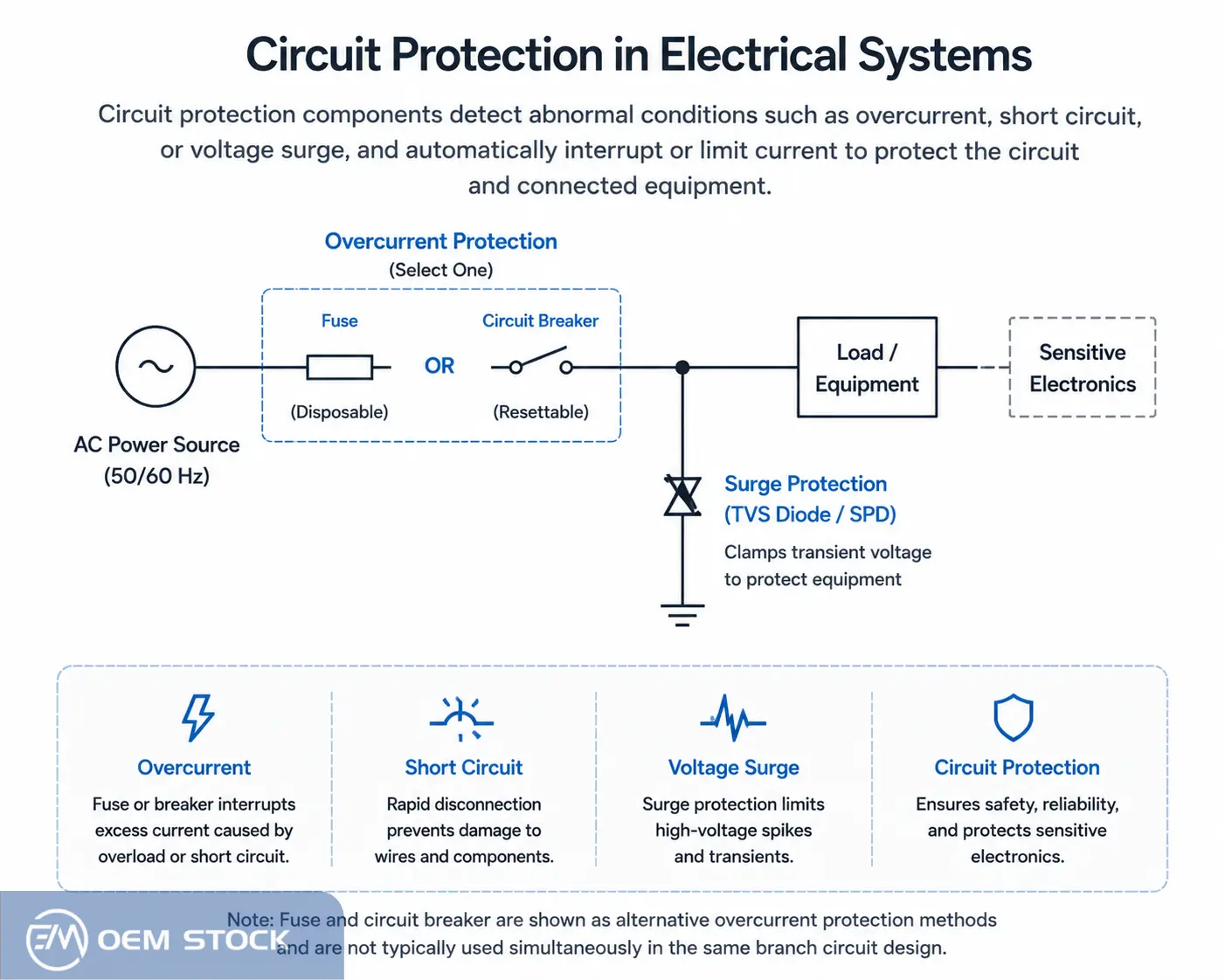
Circuit protection refers to devices and components used in electrical systems to stop or limit current when something goes wrong, such as a short circuit, overload, or sudden voltage spike.
In practice, it exists to keep wires from overheating, reduce fire risk, and prevent damage to sensitive electronic parts like ICs, power modules, and control units.
In normal operation, circuit protection devices sit quietly inside the system without affecting performance.
When a fault happens, they react immediately by cutting, limiting, or redirecting electrical current. This helps prevent the problem from spreading to other parts of the circuit.
Depending on the design, the response can be fast disconnection, gradual current limiting, or voltage spike absorption.
Circuit protection devices are components used to protect electrical and electronic systems from abnormal current or voltage conditions.
They are selected based on system requirements such as voltage level, current load, response speed, and operating environment.
Common types include fuses, circuit breakers, surge protection devices, and resettable protection components.
Fuses are single-use protection components. When current becomes too high, a small metal element inside melts and breaks the circuit. They are simple, fast, and widely used in compact electronic products.
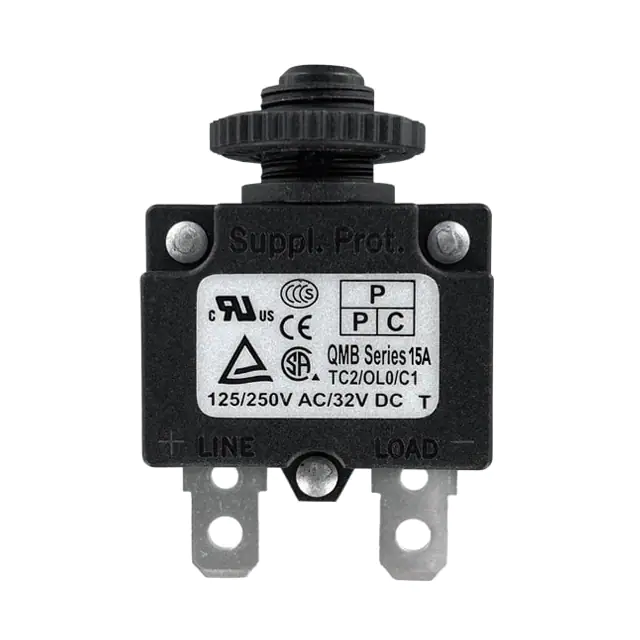
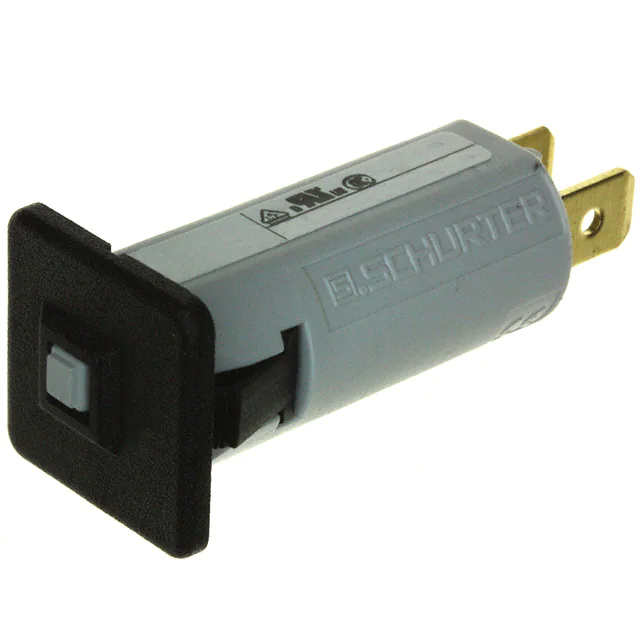
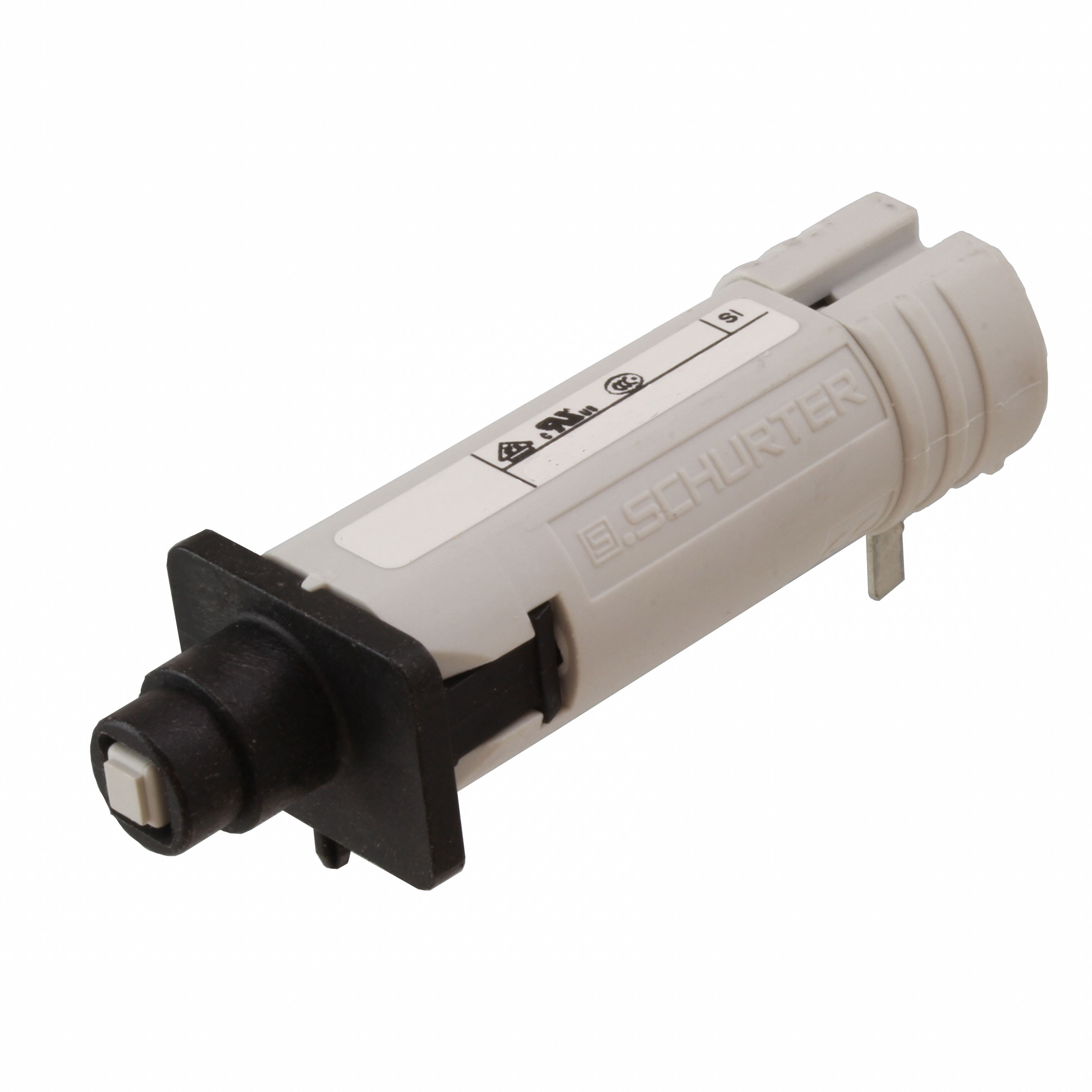
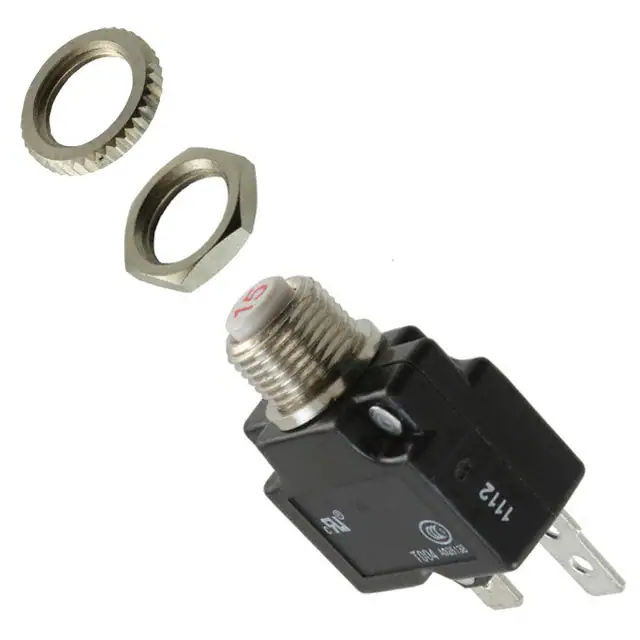
Circuit breakers are reusable protection devices. When an overload or short circuit occurs, they automatically disconnect the circuit and can be reset after the issue is fixed.
MCB is commonly used in residential systems, while MCCB is more common in industrial power distribution.
These components are used to handle sudden voltage spikes. This is especially important in environments like automotive systems or communication circuits, where voltage changes can happen very quickly.
PTC components increase resistance when too much current flows through them, reducing the current automatically. Once the system cools down, they return to normal operation without replacement.
Circuit protection components are used almost everywhere electricity is involved:
Without proper protection, even a small electrical fault can lead to overheating, equipment failure, or permanent damage.
In modern electronics, where circuits are smaller and more sensitive, protection is not optional-it is part of basic system design.
Selection usually depends on a few practical factors:
In automotive and industrial environments, electrical loads are more complex and less predictable.
For example, EV battery systems and ECUs often require surge protection due to sudden voltage changes, while industrial panels may combine breakers and fuses for layered protection.
 Upload