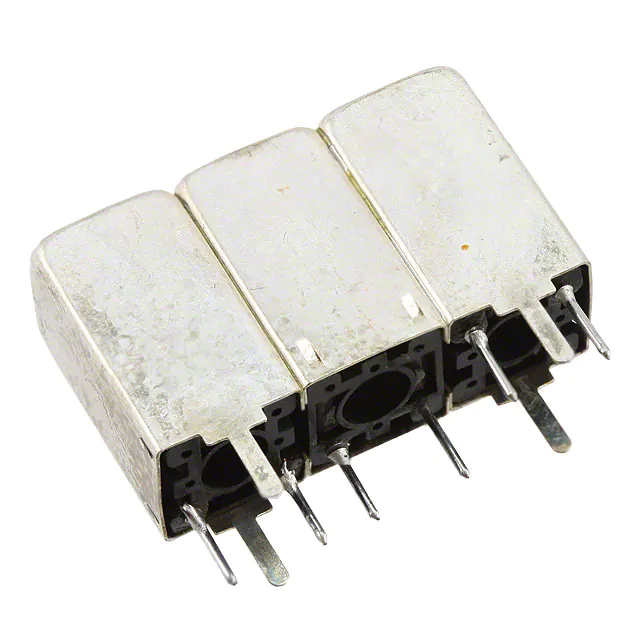


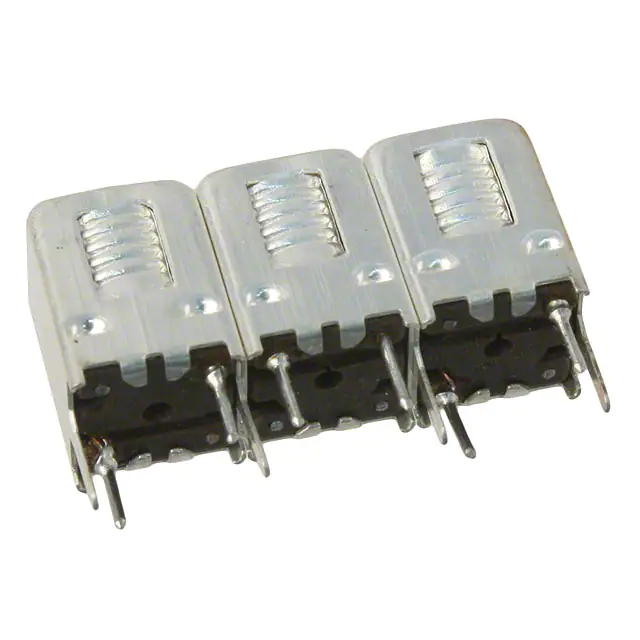
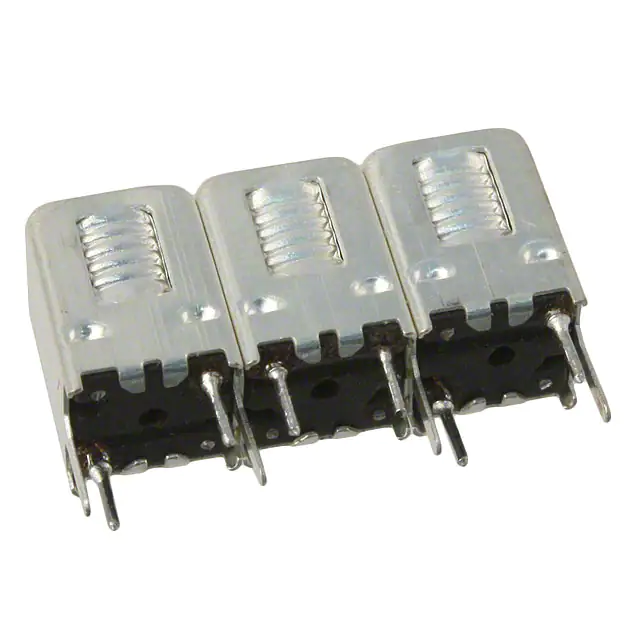
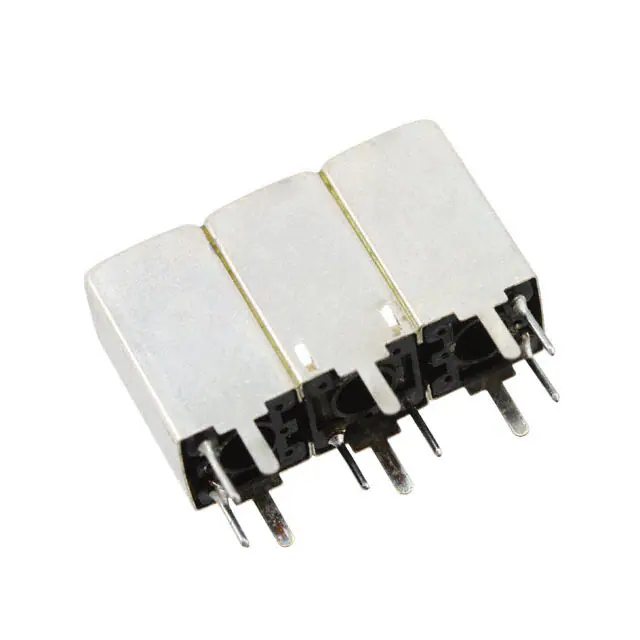

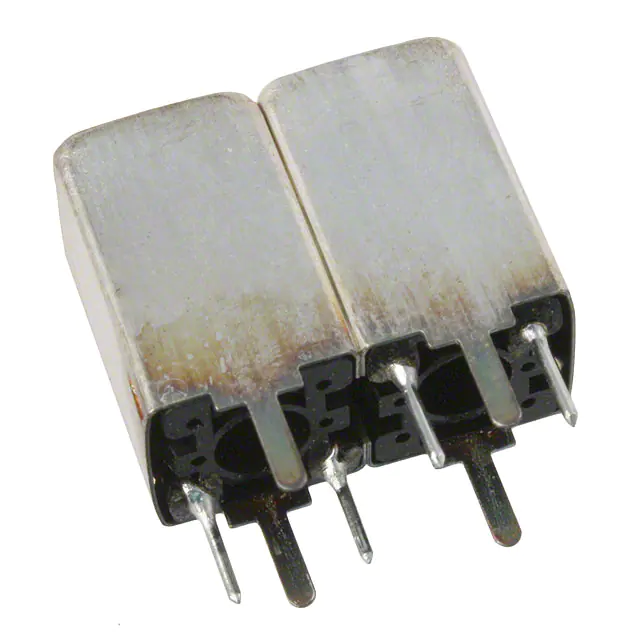






The most common electronic filter components are EMI filters, RF filters, common mode chokes, and LC filters. These components are used to reduce noise, suppress interference, and control signal frequencies in electronic circuits.
EMI filters are commonly used for electromagnetic noise suppression, while RF filters are designed for high-frequency signal selection. Common mode chokes help reduce common-mode noise in power and communication systems.
The main difference is that EMI filters reduce unwanted electromagnetic noise, while RF filters control specific radio frequency signals.
EMI filters are widely used in power electronics and industrial equipment to improve EMC performance. RF filters are mainly used in wireless communication, RF modules, and high-frequency systems where precise frequency selection is required.
You should use a common mode choke when a circuit needs to reduce common-mode noise or electromagnetic interference.
Common mode chokes are commonly found in power supplies, USB interfaces, automotive electronics, and industrial equipment. They help improve signal integrity and reduce interference caused by high-frequency noise.
You should choose an electronic filter based on the required frequency range, noise reduction level, impedance, voltage, and current requirements.
For example, EMI filters are suitable for reducing electromagnetic interference, while RF filters are used when specific frequency bands need to be selected or protected.
The main specifications to check when buying electronic filters are frequency range, cutoff frequency, insertion loss, impedance, rated voltage, rated current, and operating temperature.
These specifications determine whether the filter can provide the required filtering performance and operate reliably in the target application.
Submit your requirement for electronic filters, RF filters, EMI filters, and other filter components. OEM STOCK supports global procurement teams with reliable sourcing solutions and component availability.
Allow low-frequency signals to pass while reducing higher-frequency noise. Commonly used in power supplies and signal processing applications.
Pass high-frequency signals while blocking lower-frequency components, often used for signal conditioning and communication systems.
Allow a specific frequency range to pass while rejecting signals outside the required bandwidth, widely used in RF applications.
Suppress a specific frequency range while allowing other frequencies to pass, helping eliminate unwanted interference.
Designed to reduce electromagnetic interference and improve EMC performance in power systems, industrial equipment, and electronic devices.
Used in radio frequency applications to select desired signals and reduce unwanted frequency components in wireless and communication systems.
Passive filtering components that suppress common-mode noise and are widely used in power supplies, automotive electronics, and communication interfaces.
Electronic filters can be classified into passive filters and active filters based on their circuit design and operating principles.
Passive filter suse passive components such as resistors, capacitors, and inductors to filter signals without requiring an external power supply. They are widely used for noise suppression, EMI reduction, and signal filtering in power electronics and industrial applications.
Active filters use active components such as operational amplifiers together with passive components to provide signal amplification, adjustable gain, and more precise frequency control. They are commonly used in applications that require higher accuracy and advanced signal processing performance.
For most electronic component applications, passive filters are preferred for their reliability, low power consumption, and simple design, while active filters are selected when additional signal control and amplification are required.
Used in power supplies, converters, and energy systems to reduce electrical noise and improve power quality.
Support RF signal processing, wireless communication, and networking applications by controlling frequency signals.
Help protect automation systems and electronic devices from electromagnetic interference.
Improve the reliability of ECUs, sensors, and vehicle communication systems by reducing electrical noise.
 Upload