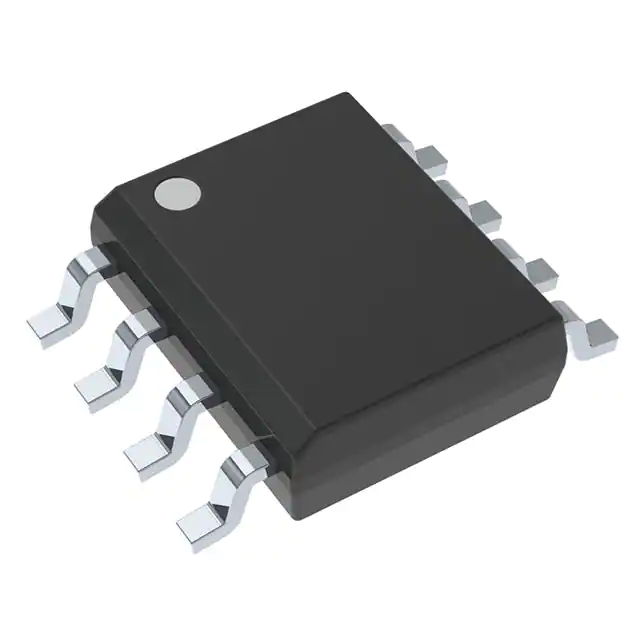
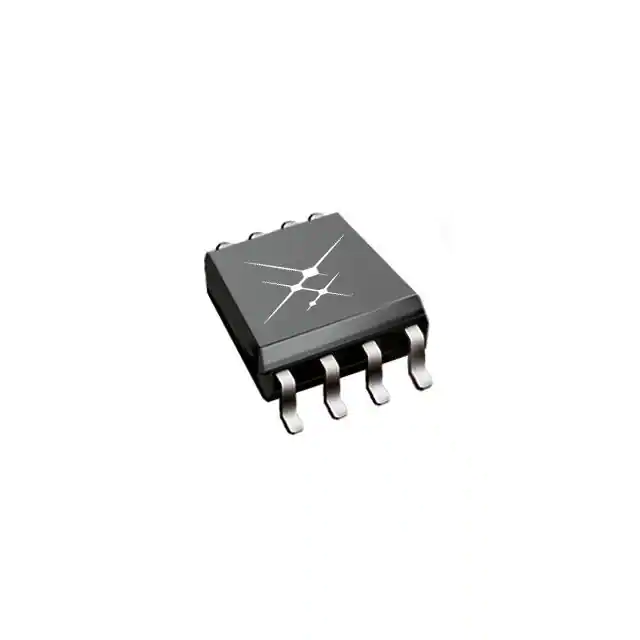
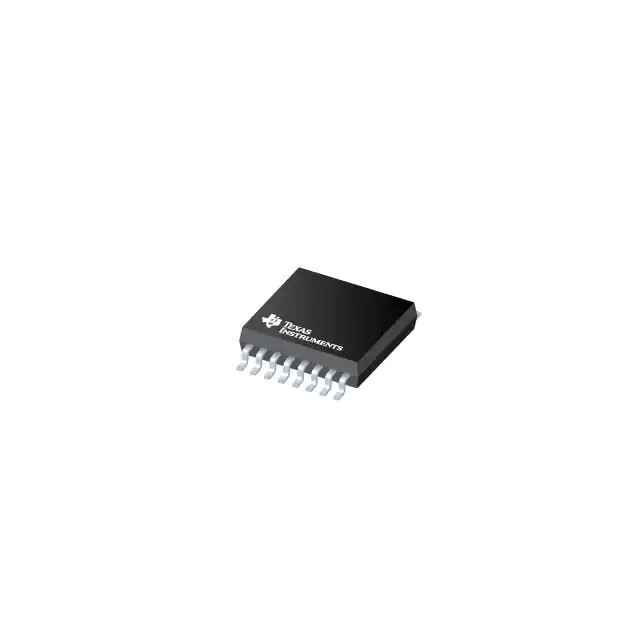







An isolator is an electronic or electrical device used to separate circuits and ensure safe signal or power transfer.
An insulator is a material (such as plastic, glass, or rubber) that prevents the flow of electricity, heat, or sound.
Key difference:
A circuit breaker automatically interrupts current during faults such as overload or short circuits.
An isolator is a manually operated device used to disconnect a circuit for maintenance.
Key difference:
A fuse is a one-time protection device that breaks the circuit when current is too high.
An isolator does not provide protection; it only safely disconnects a circuit when no load is present.
Key difference:
No. An isolator is not a circuit breaker.
A circuit breaker can interrupt current under load and fault conditions, while an isolator must only be operated when the circuit is de-energized.
An isolator is considered a safety switching device, not an active protective device.
It does not detect or stop faults, but ensures safe isolation during maintenance and system shutdown.
No. A transformer is not an isolator in the switching sense.
However, an isolation transformer can provide electrical isolation between primary and secondary windings.
An isolator is designed for safe electrical isolation, not regular switching under load.
Unlike standard switches, isolators provide visible and secure separation for maintenance safety in high-voltage systems.
Isolators have several limitations:
An isolator is also known as:
These terms are often used in industrial and electrical engineering contexts.
Source digital isolators, signal isolators, power isolators, and isolation IC solutions with global availability. OEM STOCK supports engineers and procurement teams with fast sourcing, excess inventory access, and bulk supply solutions.
 Upload