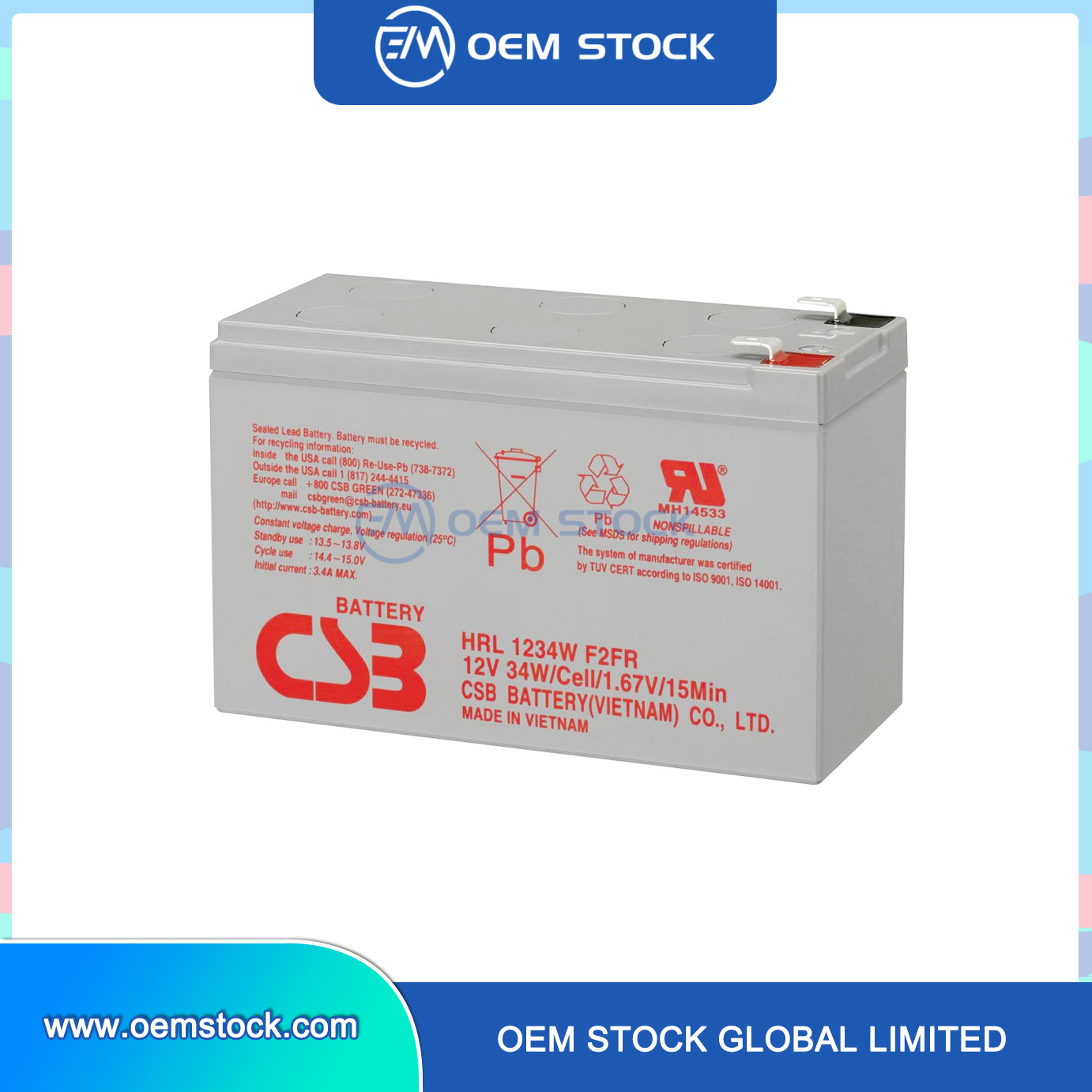
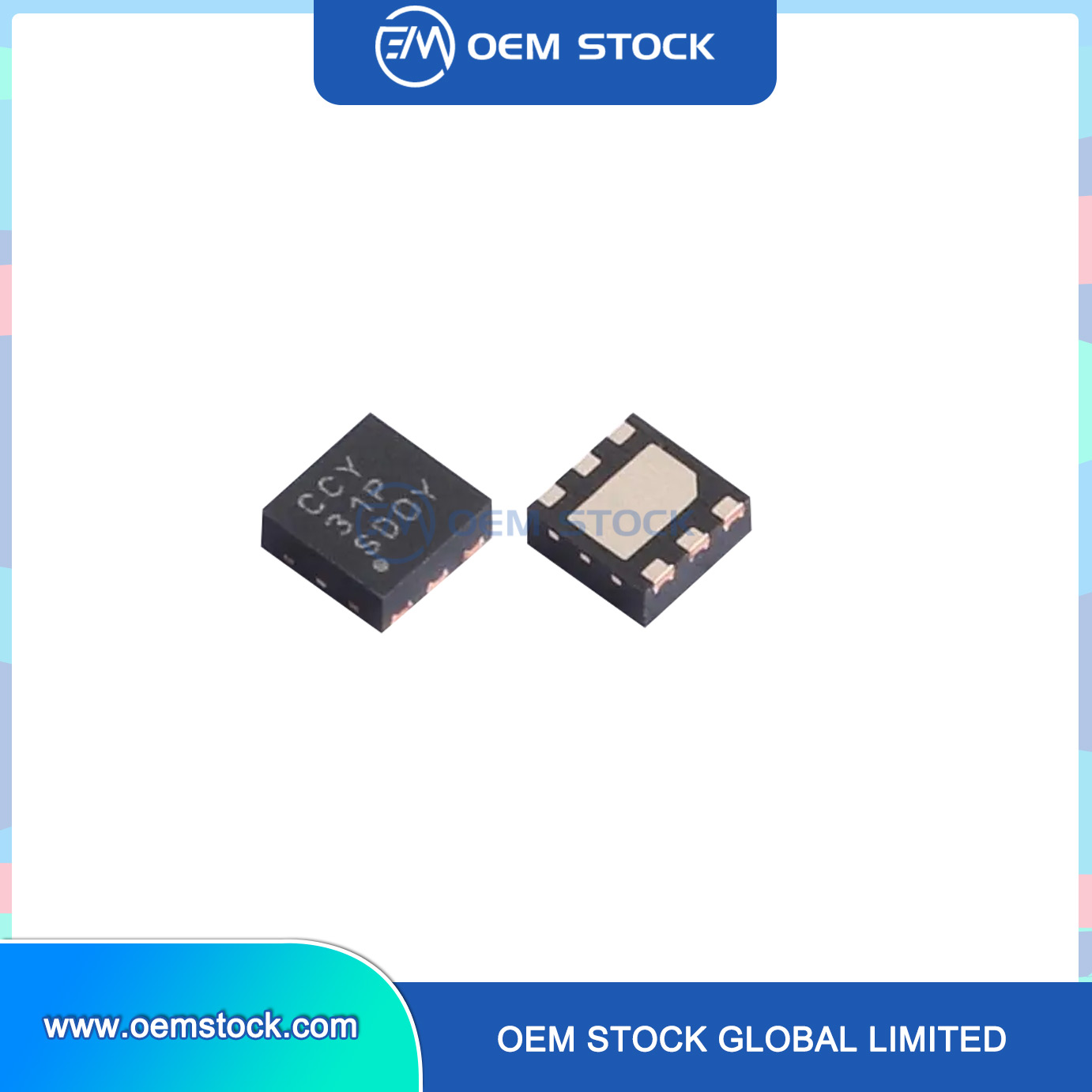
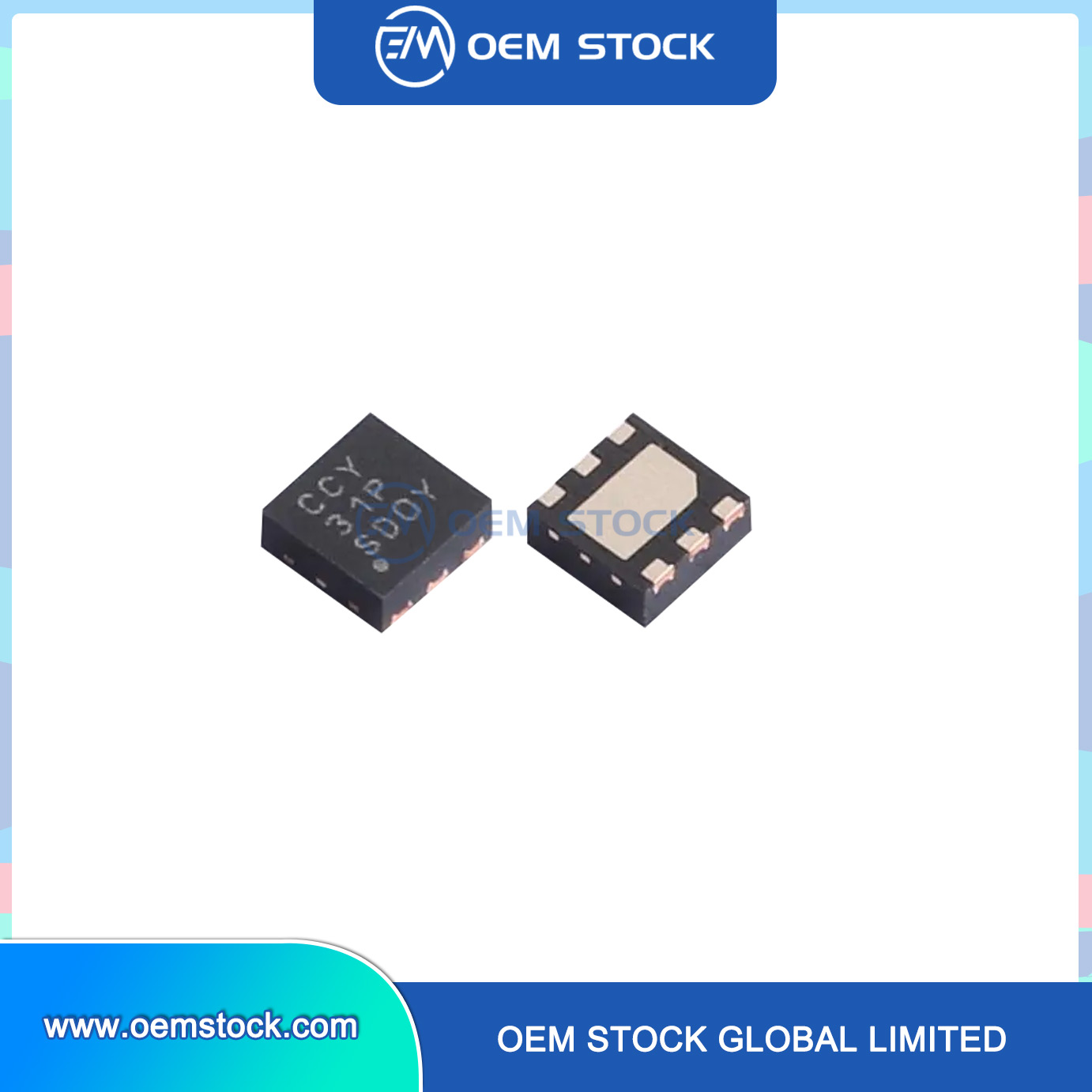
Excess inventory is stock that exceeds current or forecasted demand and is unlikely to be sold or used within a normal business period. It is also commonly referred to as surplus inventory, excess stock, or overstock.
Excess inventory ties up working capital, increases storage costs, and creates a higher risk of obsolescence. In the electronics industry, the issue is particularly costly because components often have short product lifecycles, demand can shift quickly, and manufacturers regularly discontinue parts through end-of-life (EOL) programs.
The problem became more common after the global semiconductor shortage, when many OEMs and manufacturers purchased additional inventory to protect against supply disruptions. As market conditions stabilized, many businesses were left holding large quantities of surplus electronic components.
In this guide, you'll learn the most common causes of excess inventory, how to identify it, the risks it creates for electronics manufacturers, and the best strategies for reducing or selling surplus stock before it loses value.

The most common causes of excess inventory are inaccurate demand forecasting, long lead times, minimum order quantities (MOQs), product lifecycle changes, and sudden shifts in market demand.
In the electronics industry, these risks are often amplified because components are purchased months before they are needed. By the time inventory arrives, customer requirements, production plans, or market conditions may have already changed.
Inaccurate demand forecasting is one of the most common causes of excess inventory. Companies purchase components based on expected sales, production schedules, and customer forecasts. When actual demand falls below expectations, inventory begins to accumulate.
Common forecasting challenges include customer order cancellations, delayed product launches, market slowdowns, and unexpected economic changes. Even a small forecasting error can create significant excess stock when purchasing volumes are high.
Long lead times and supplier minimum order quantities often force companies to buy more inventory than they immediately need.
Many semiconductors, connectors, sensors, and memory devices require purchases months in advance and in fixed quantities. While these purchasing strategies reduce the risk of production shortages, they also increase the likelihood of excess inventory if demand changes before the components are consumed.
Product lifecycle transitions frequently create excess inventory in electronics manufacturing. Components that were once approved for production can become surplus stock when products are redesigned or newer technologies are introduced.
Common examples include replacing microcontrollers, upgrading memory devices, qualifying alternative suppliers, or responding to manufacturer end-of-life (EOL) notices. As products evolve, existing inventory may no longer fit future production requirements.
Post-shortage overbuying occurs when companies purchase inventory far beyond immediate requirements to protect against supply disruptions.
During the global semiconductor shortage, many manufacturers prioritized supply security over inventory efficiency. When lead times normalized and demand stabilized, large quantities of surplus electronic components remained in warehouses, creating excess inventory that companies are still working to reduce today.
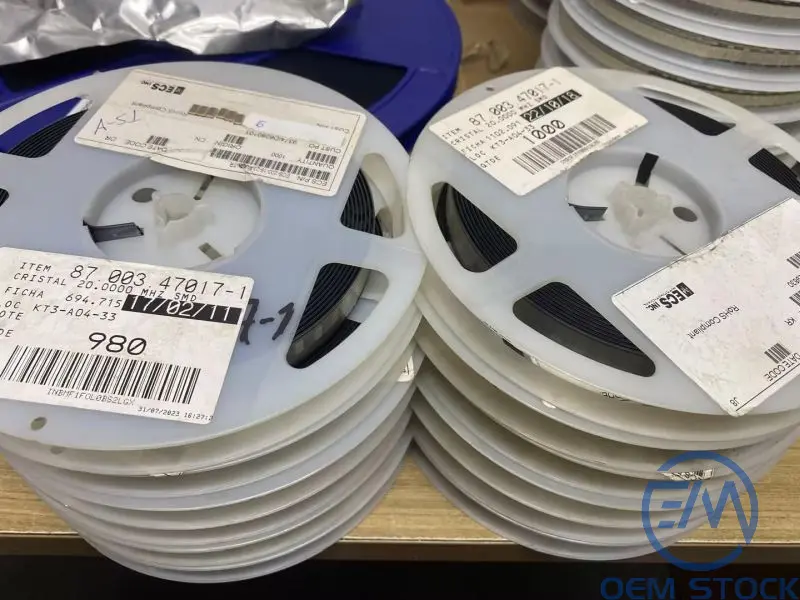
Excess inventory is particularly costly in electronics because components lose value quickly, supply chains often generate surplus stock, and unused inventory ties up working capital.
Electronic components have short lifecycles and are frequently replaced by newer technologies. Demand can decline rapidly when manufacturers issue End-of-Life (EOL) notices or customers switch to alternative parts.
As a result, excess inventory may lose value much faster than inventory in other industries.
Long lead times and supplier minimum order quantities (MOQs) often force companies to buy more components than they immediately need.
The semiconductor shortage also led many manufacturers to over-purchase inventory, leaving the industry with significant excess stock when supply conditions improved.
Excess inventory locks up cash that could otherwise support product development, equipment upgrades, expansion, or other business initiatives.
In addition to storage costs, surplus inventory reduces cash flow and limits operational flexibility, making it a significant financial burden for electronics manufacturers.
Unmanaged excess inventory reduces cash flow, increases carrying costs, lowers inventory value, and raises the risk of obsolescence. The longer the inventory remains unused, the harder it becomes to recover its value.
Common consequences include:
Working capital tied up in unsold inventory
Ongoing storage and inventory carrying costs
Declining market value of components
Increased risk of obsolescence
Potential inventory write-downs and financial losses
For electronics manufacturers, waiting rarely improves the situation. As components age and demand changes, recovery opportunities often become more limited. Taking action early can help preserve value and reduce long-term inventory risk.
How to sell excess inventory depends on the type of products, market demand, and recovery goals.
Businesses commonly sell excess inventory through:
For electronic components, the best results usually come from selling inventory while parts remain active in the market. Components that still have manufacturer support and healthy demand typically recover significantly more value than parts sold after they become obsolete.
Working with specialized excess inventory buyers can also speed up the process and reduce administrative effort.
Businesses can reduce excess inventory by improving demand forecasting, reviewing inventory levels regularly, and identifying slow-moving stock before it becomes obsolete.
The most effective ways to reduce excess inventory include:
Improve demand forecasting accuracy
Review inventory turnover regularly
Optimize inventory management processes
Monitor slow-moving and aging inventory
Reduce reliance on excessive safety stock
Sell excess and obsolete inventory before demand declines
For electronics manufacturers, regular inventory audits can help identify excess and obsolete inventory early, allowing businesses to take corrective action before components lose value. Many manufacturers reduce excess and obsolete inventory by conducting regular inventory audits, reviewing aging stock reports, and selling slow-moving components before they reach end-of-life (EOL) status.
The best way to handle excess electronic components depends on whether the inventory still has market demand, internal usage potential, or resale value.
Use the following framework to determine the most appropriate action.
Redeploy inventory when the components can support future production programs, alternative product lines, or other company locations.
This option typically provides the highest value recovery because no resale discount is required.
Sell excess inventory when components remain in active production and market demand is still present.
The earlier the inventory is evaluated, the more potential buyers are available. Waiting too long can reduce recovery value and increase the risk of obsolescence.
If your organization is holding surplus semiconductors, integrated circuits, connectors, sensors, or other active electronic components, working with an excess inventory buyer can help convert idle inventory into working capital.
Related Resource: Excess Inventory Solutions
Consignment can be a suitable option for specialized or higher-value components that may require additional time to find the right buyer.
Rather than selling immediately, inventory is marketed through an established sales network, creating an opportunity for higher recovery value.
Recycle inventory when components are obsolete, damaged, or no longer have viable resale opportunities.
Certified electronics recycling programs help companies recover materials, reduce environmental impact, and maintain regulatory compliance.
Related Resource: Electronics Recycling Services
For most electronics manufacturers, the best strategy is simple: evaluate inventory early and act before market demand declines.
If components still have active demand, selling excess inventory is often the fastest way to recover cash, reduce carrying costs, and prevent future obsolescence.

Managing excess inventory is not only a financial decision but also a compliance responsibility. As electronic components age or become obsolete, businesses must ensure they are handled, sold, or disposed of in accordance with applicable environmental regulations.
Two of the most important regulatory frameworks include:
WEEE (Waste Electrical and Electronic Equipment) Directive – Establishes requirements for the responsible collection, recycling, and disposal of electronic waste in many regions.
RoHS (Restriction of Hazardous Substances) – Regulates the use and handling of hazardous materials commonly found in electronic products.
For manufacturers operating in regulated industries, maintaining proper documentation, traceability, and inventory disposition records is increasingly important.
Whenever possible, selling or redeploying excess inventory before it becomes obsolete is both the most financially beneficial and environmentally responsible approach. When resale opportunities no longer exist, certified electronics recycling can help companies meet compliance requirements while reducing environmental impact.
Excess inventory is typically calculated by comparing current inventory levels with forecasted demand. Inventory that exceeds expected demand for the next 90 to 180 days is often classified as excess inventory.
There is no fixed timeframe, but excess inventory becomes increasingly difficult to sell as demand declines, new technologies emerge, or manufacturers issue EOL notices. In the electronics industry, early action typically results in higher recovery value.
Excess inventory is considered waste because it ties up working capital, increases storage costs, and creates a risk of obsolescence without generating immediate business value.
Excess inventory creates costs through warehousing, insurance, handling, inventory management, financing, and depreciation. The longer the inventory remains unsold, the higher the total carrying cost.
Companies can sell excess inventory through specialized inventory buyers, distributors, brokers, or secondary marketplaces. Components with active market demand generally achieve higher recovery value when sold early.
Manufacturers can sell excess electronic components through excess inventory buyers, electronic component distributors, and inventory management companies. Active components typically have the strongest resale opportunities before reaching EOL status.
Businesses can reduce excess inventory by improving demand forecasting, monitoring inventory turnover, reviewing purchasing policies, and regularly identifying slow-moving stock before it becomes obsolete.
OEM STOCK helps manufacturers, OEMs, EMS providers, and distributors recover value from excess and surplus electronic components.
Whether you're looking to free up warehouse space, improve cash flow, reduce carrying costs, or dispose of aging inventory responsibly, our team can help identify the most effective solution.
Our services include:
Excess Inventory Solutions
Surplus Inventory Management
Electronic Component Sourcing
EOL Component Purchasing
Obsolete Component Recovery
Electronics Recycling Services
With access to a global network of buyers and industry partners, OEM STOCK helps businesses maximize recovery value while minimizing inventory risk.
Have excess electronic components? Submit your inventory list today for a fast evaluation and competitive quote.
 Upload