Upload


Industry Shake - up: Gig Economy Reshapes Small - Scale Component Manufacturing
1/15/2025 3:02:59 PM
Introduction
The electronics industry has long been characterized by rapid technological advancements, high - volume production, and complex supply chains. In recent years, a new economic phenomenon, the gig economy, has been making significant inroads into this traditional industry, particularly in the realm of small - scale component manufacturing. The gig economy, which is based on short - term, flexible work arrangements, is disrupting the established norms of employment and production, presenting both opportunities and challenges for small - scale component manufacturers.
Understanding the Gig Economy in the Electronics Context
Definition and Key Characteristics
The gig economy encompasses a wide range of independent work, often facilitated by digital platforms. In the electronics industry, gig workers can include freelance engineers, contract assemblers, and on - demand designers. These workers are not bound by traditional long - term employment contracts. Instead, they take on projects on a per - job or per - hour basis. One of the key hallmarks of the gig economy is the flexibility it offers. Gig workers can choose when, where, and for how long they work, allowing them to balance multiple projects simultaneously or fit work around other commitments.
The Rise of Gig Platforms in Electronics
Digital platforms have played a crucial role in the growth of the gig economy in electronics. There are now specialized platforms that connect small - scale component manufacturers with a global pool of gig talent. These platforms streamline the process of finding, hiring, and managing gig workers. For example, a manufacturer in need of a specific type of component design can post a project brief on the platform. Freelance engineers from around the world can then submit their proposals, complete with their portfolios, rates, and availability. The manufacturer can review these submissions and select the most suitable candidate, all within a matter of days, if not hours.
Scaling Up and Down
Small - scale component manufacturers often face fluctuating demand for their products. In the past, this could be a significant challenge, as hiring and training new employees during peak seasons and laying them off during slow periods was costly and time - consuming. With the gig economy, manufacturers can quickly scale their workforce up or down. During a busy period when there is a sudden influx of orders, they can hire additional gig workers, such as contract assemblers, to meet the demand. Once the demand subsides, they can simply end the contracts without the long - term financial implications associated with permanent employees.
Access to Specialized Skills
Small - scale manufacturers may not always have the in - house expertise for every type of project. The gig economy provides access to a vast pool of specialized skills. For instance, if a manufacturer is working on a new line of components that require advanced nanotechnology - based designs, they can hire a freelance nanotechnologist through a gig platform. This access to specialized talent, which may be otherwise difficult to recruit and retain on a full - time basis, allows small - scale manufacturers to take on more complex and innovative projects.
Cost - Efficiency
Reduced Labor Costs
Hiring gig workers can be more cost - effective in many cases. Gig workers are typically paid per project or per hour, and they often do not receive the same benefits as full - time employees, such as health insurance, paid vacations, and retirement plans. This can significantly reduce the labor costs for small - scale component manufacturers. Additionally, since gig workers are often self - employed, they are responsible for their own work - related expenses, such as equipment and workspace, further reducing the manufacturer's overheads.
Lower Training Costs
Training new full - time employees can be a substantial investment. In the gig economy, many gig workers come with pre - existing skills and experience. Manufacturers can hire workers who already possess the required skills for a particular project, eliminating the need for extensive on - the - job training. This not only saves time but also reduces the costs associated with training programs.
Innovation and Creativity
Diverse Perspectives
The gig economy brings together a diverse group of individuals from different backgrounds and regions. When working on component manufacturing projects, these gig workers can bring fresh perspectives and innovative ideas. For example, a freelance designer from a different cultural and professional background may introduce new design concepts or manufacturing techniques that the in - house team has not considered. This diversity of thought can lead to more creative and competitive products in the market.
Faster Adoption of New Technologies
Gig workers, especially those in the technology - related fields, are often at the forefront of learning and adopting new technologies. By incorporating gig workers into their projects, small - scale component manufacturers can gain access to the latest technological advancements more quickly. For instance, a gig engineer who has been working on the latest 3D printing techniques for electronics components can introduce these methods to the manufacturer, enabling them to produce components more efficiently or with unique features.
Challenges in Embracing the Gig Economy
Quality Control
Variability in Work Quality
Since gig workers are not part of the regular, in - house workforce, there can be a higher degree of variability in the quality of their work. Different gig workers may have different standards and approaches to completing a task. For example, in component assembly, one contract assembler may have a different level of precision compared to another. Small - scale manufacturers need to establish strict quality control measures to ensure that the components produced by gig workers meet the required standards. This may involve detailed project briefs, regular inspections, and feedback mechanisms.
Lack of Long - Term Accountability
Unlike full - time employees who have a long - term stake in the company's reputation, gig workers may not feel the same level of accountability for the long - term quality of the components they produce. Once a project is completed and paid for, they may move on to the next gig. Manufacturers need to find ways to address this lack of long - term accountability, such as through performance - based incentives or long - term gig contracts for consistent performers.
Intellectual Property Concerns
Protecting Designs and Innovations
When working with gig workers, small - scale component manufacturers need to be vigilant about protecting their intellectual property. Gig workers may be exposed to the company's proprietary designs, manufacturing processes, and other sensitive information. There is a risk that this information could be misused or shared with competitors. To mitigate this risk, manufacturers should have comprehensive non - disclosure agreements in place before engaging with gig workers. These agreements should clearly define what information is considered proprietary and the consequences of any breach.
Ownership of Work - Product
Determining the ownership of the work - product created by gig workers can also be a complex issue. In some cases, there may be disputes over who owns the intellectual property rights to a new component design developed during a gig project. Manufacturers need to clarify these ownership rights in the project contracts to avoid any legal issues down the line.
Regulatory and Legal Hurdles
Employment Classification
The classification of gig workers as independent contractors or employees is a complex legal issue. In some regions, misclassifying workers can lead to significant legal and financial penalties for manufacturers. For example, if a gig worker is deemed to be an employee rather than an independent contractor, the manufacturer may be responsible for paying employment - related taxes, providing benefits, and complying with other labor laws. Manufacturers need to carefully navigate these legal requirements to ensure compliance.
International Labor Laws
When hiring gig workers from different countries, small - scale component manufacturers may need to comply with multiple sets of international labor laws. These laws can vary widely in terms of working hours, minimum wage requirements, and worker safety regulations. Ensuring compliance with these diverse regulations can be a challenging and resource - intensive task.
The electronics industry has long been characterized by rapid technological advancements, high - volume production, and complex supply chains. In recent years, a new economic phenomenon, the gig economy, has been making significant inroads into this traditional industry, particularly in the realm of small - scale component manufacturing. The gig economy, which is based on short - term, flexible work arrangements, is disrupting the established norms of employment and production, presenting both opportunities and challenges for small - scale component manufacturers.
Understanding the Gig Economy in the Electronics Context
Definition and Key Characteristics
The gig economy encompasses a wide range of independent work, often facilitated by digital platforms. In the electronics industry, gig workers can include freelance engineers, contract assemblers, and on - demand designers. These workers are not bound by traditional long - term employment contracts. Instead, they take on projects on a per - job or per - hour basis. One of the key hallmarks of the gig economy is the flexibility it offers. Gig workers can choose when, where, and for how long they work, allowing them to balance multiple projects simultaneously or fit work around other commitments.
The Rise of Gig Platforms in Electronics
Digital platforms have played a crucial role in the growth of the gig economy in electronics. There are now specialized platforms that connect small - scale component manufacturers with a global pool of gig talent. These platforms streamline the process of finding, hiring, and managing gig workers. For example, a manufacturer in need of a specific type of component design can post a project brief on the platform. Freelance engineers from around the world can then submit their proposals, complete with their portfolios, rates, and availability. The manufacturer can review these submissions and select the most suitable candidate, all within a matter of days, if not hours.
Impact on Small - Scale Component Manufacturing
Scaling Up and Down
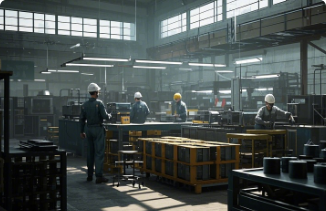
Small - scale component manufacturers often face fluctuating demand for their products. In the past, this could be a significant challenge, as hiring and training new employees during peak seasons and laying them off during slow periods was costly and time - consuming. With the gig economy, manufacturers can quickly scale their workforce up or down. During a busy period when there is a sudden influx of orders, they can hire additional gig workers, such as contract assemblers, to meet the demand. Once the demand subsides, they can simply end the contracts without the long - term financial implications associated with permanent employees.
Access to Specialized Skills
Small - scale manufacturers may not always have the in - house expertise for every type of project. The gig economy provides access to a vast pool of specialized skills. For instance, if a manufacturer is working on a new line of components that require advanced nanotechnology - based designs, they can hire a freelance nanotechnologist through a gig platform. This access to specialized talent, which may be otherwise difficult to recruit and retain on a full - time basis, allows small - scale manufacturers to take on more complex and innovative projects.
Cost - Efficiency
Reduced Labor Costs
Hiring gig workers can be more cost - effective in many cases. Gig workers are typically paid per project or per hour, and they often do not receive the same benefits as full - time employees, such as health insurance, paid vacations, and retirement plans. This can significantly reduce the labor costs for small - scale component manufacturers. Additionally, since gig workers are often self - employed, they are responsible for their own work - related expenses, such as equipment and workspace, further reducing the manufacturer's overheads.
Lower Training Costs
Training new full - time employees can be a substantial investment. In the gig economy, many gig workers come with pre - existing skills and experience. Manufacturers can hire workers who already possess the required skills for a particular project, eliminating the need for extensive on - the - job training. This not only saves time but also reduces the costs associated with training programs.
Innovation and Creativity
Diverse Perspectives
The gig economy brings together a diverse group of individuals from different backgrounds and regions. When working on component manufacturing projects, these gig workers can bring fresh perspectives and innovative ideas. For example, a freelance designer from a different cultural and professional background may introduce new design concepts or manufacturing techniques that the in - house team has not considered. This diversity of thought can lead to more creative and competitive products in the market.
Faster Adoption of New Technologies
Gig workers, especially those in the technology - related fields, are often at the forefront of learning and adopting new technologies. By incorporating gig workers into their projects, small - scale component manufacturers can gain access to the latest technological advancements more quickly. For instance, a gig engineer who has been working on the latest 3D printing techniques for electronics components can introduce these methods to the manufacturer, enabling them to produce components more efficiently or with unique features.
Challenges in Embracing the Gig Economy
Quality Control
Variability in Work Quality
Since gig workers are not part of the regular, in - house workforce, there can be a higher degree of variability in the quality of their work. Different gig workers may have different standards and approaches to completing a task. For example, in component assembly, one contract assembler may have a different level of precision compared to another. Small - scale manufacturers need to establish strict quality control measures to ensure that the components produced by gig workers meet the required standards. This may involve detailed project briefs, regular inspections, and feedback mechanisms.
Lack of Long - Term Accountability
Unlike full - time employees who have a long - term stake in the company's reputation, gig workers may not feel the same level of accountability for the long - term quality of the components they produce. Once a project is completed and paid for, they may move on to the next gig. Manufacturers need to find ways to address this lack of long - term accountability, such as through performance - based incentives or long - term gig contracts for consistent performers.
Intellectual Property Concerns
Protecting Designs and Innovations
When working with gig workers, small - scale component manufacturers need to be vigilant about protecting their intellectual property. Gig workers may be exposed to the company's proprietary designs, manufacturing processes, and other sensitive information. There is a risk that this information could be misused or shared with competitors. To mitigate this risk, manufacturers should have comprehensive non - disclosure agreements in place before engaging with gig workers. These agreements should clearly define what information is considered proprietary and the consequences of any breach.
Ownership of Work - Product
Determining the ownership of the work - product created by gig workers can also be a complex issue. In some cases, there may be disputes over who owns the intellectual property rights to a new component design developed during a gig project. Manufacturers need to clarify these ownership rights in the project contracts to avoid any legal issues down the line.
Regulatory and Legal Hurdles
Employment Classification
The classification of gig workers as independent contractors or employees is a complex legal issue. In some regions, misclassifying workers can lead to significant legal and financial penalties for manufacturers. For example, if a gig worker is deemed to be an employee rather than an independent contractor, the manufacturer may be responsible for paying employment - related taxes, providing benefits, and complying with other labor laws. Manufacturers need to carefully navigate these legal requirements to ensure compliance.
International Labor Laws
When hiring gig workers from different countries, small - scale component manufacturers may need to comply with multiple sets of international labor laws. These laws can vary widely in terms of working hours, minimum wage requirements, and worker safety regulations. Ensuring compliance with these diverse regulations can be a challenging and resource - intensive task.

Related information



- 2025.10.28 Choosing the Right LED Resistor for 12V LEDs