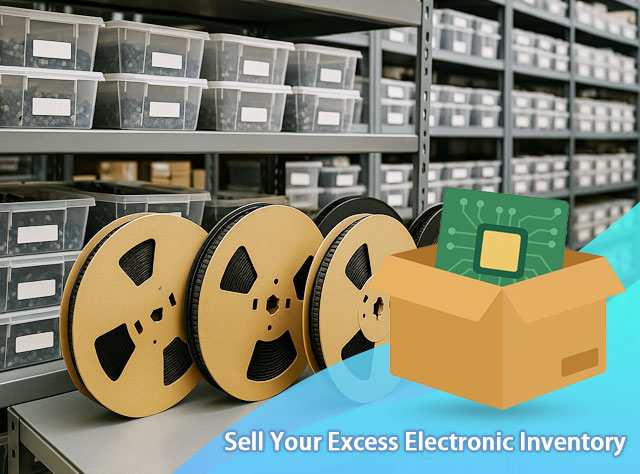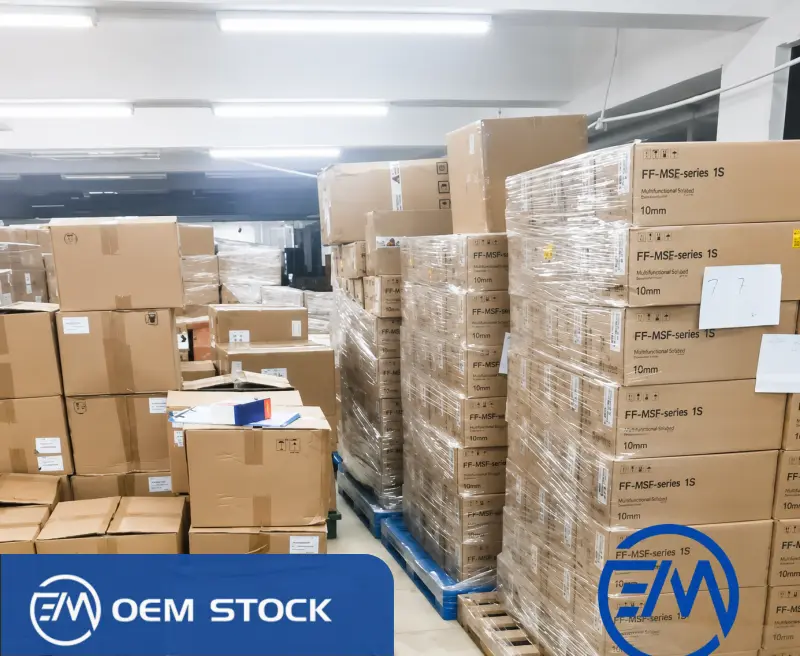
Inventory liquidationis the process of selling excess, surplus, or obsolete stock to recover cash and cut storage costs. If you're an electronics manufacturer sitting on components you no longer need, liquidation is one of the fastest ways to free up warehouse space, bring in working capital, and stop paying to store parts that aren't moving.
In this guide, we'll walk you through what inventory liquidation actually is, why it happens, how to do it step by step, and which channels give you the best recovery value for your excess and overstock components.
Inventory liquidation is the process of selling excess, surplus, or obsolete electronic components to recover cash and reduce storage costs.
It is commonly used by OEMs, EMS companies, and semiconductor manufacturers to convert unused stock into working capital.
Typical outcomes:
In electronics, liquidation is not just disposal - it is aworking capital recovery strategy.
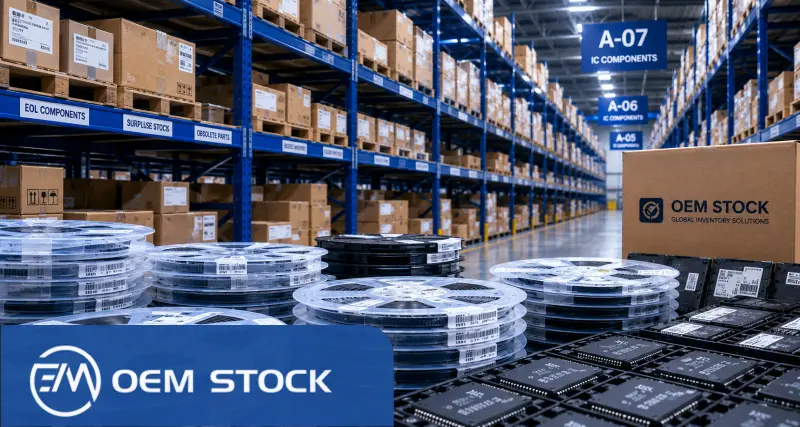
Companies liquidate inventory when holding excess, obsolete, or slow-moving stock becomes more expensive than its potential value. Common triggers include EOL notices, product redesigns, chip shortage overbuying, MOQ requirements, end-of-program inventory, and corporate restructuring.
In the electronics industry, inventory carrying costs typically run 20%–30% of inventory value per year, according to Deloitte's Global Supply Chain Survey. For example, $500,000 of excess components can result in up to $150,000 in annual holding costs - making liquidation a more financially efficient option.
This is especially relevant for electronics manufacturers and EMS companies, where rapid product cycles, shifting supply chains, and forecast inaccuracies often lead to excess inventory accumulation.Here are the most common reasons it happens:
EOL notices are one of the most common triggers for inventory liquidation. When a manufacturer discontinues a component, you're suddenly stuck with stock that has a shrinking window of demand. Your best move is to sell early - buyers are actively hunting for replacement parts, which means recovery rates are higher. Wait too long, and that window closes.
Every time your engineering team swaps out a component during a redesign, the original part gets kicked off the approved list. It still works fine. It's just no longer yours to use - which means it becomes surplus the moment the new BOM goes live. We see this happen constantly, and it's one of the easiest types of excess inventory to liquidate because the parts are usually in great shape.
This one hit a lot of manufacturers hard. Between 2021 and 2022, procurement teams were buying everything they could get their hands on - lead times were brutal, and nobody wanted to get caught short. According to the Semiconductor Industry Association (SIA), global semiconductor sales topped $600 billion during that post-pandemic surge. Then supply chains recovered, demand cooled off, and suddenly those emergency purchases became excess stock sitting in warehouses with nowhere to go.
MOQ requirements are frustrating - but they're a fact of life in electronics procurement. Say your project needs 5,000 ICs, but your supplier's minimum is 25,000 units. You buy the 25,000, use what you need, and the remaining 20,000 become excess before they even hit your shelves. It's not a forecasting failure. It's just how the math works out sometimes.
When a product reaches the end of its lifecycle and production stops, any leftover components lose their internal demand overnight. The good news is that EOP inventory is usually easier to liquidate than other types - it tends to be well documented and properly stored, which gives buyers more confidence and you more leverage on price.
Corporate restructuring is another big one. When companies merge product lines, consolidate warehouses, or shut down manufacturing facilities, duplicate inventory piles up fast. Nobody needs two stockrooms worth of the same parts. These situations often lead to large-scale liquidation projects - and the sooner you move on them, the better the outcome.
Liquidate inventory as soon as you know it won't be used internally within the next 90 days. The longer you wait, the less it's worth.
Most companies wait too long. They hold onto excess stock hoping a future project will absorb it - but that rarely happens. In the meantime, date codes keep aging and carrying costs keep adding up. Here are the clearest signs it's time to move:
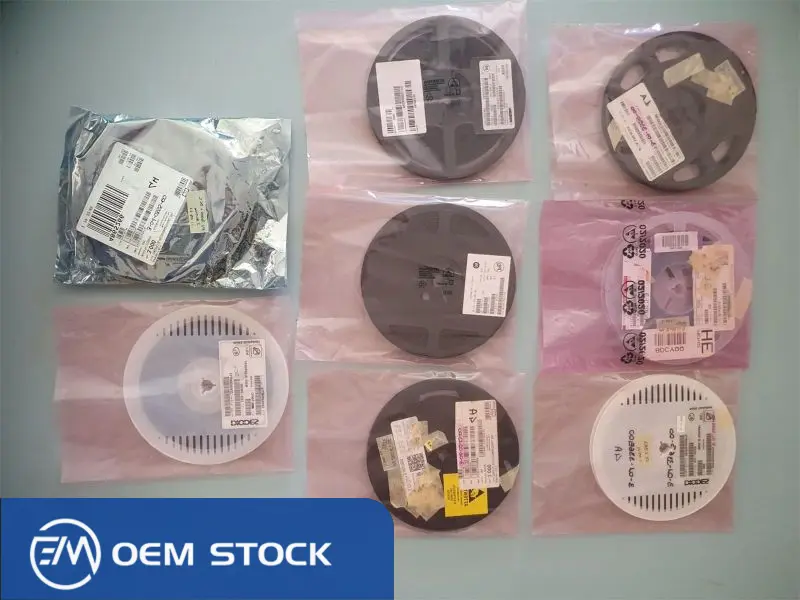
Liquidating inventory efficiently comes down to five steps: audit your stock, assess market value, choose the right channel, prepare your documentation, and close the sale. Do them in order and you'll maximize your recovery value. Skip one, and you'll likely leave money on the table.
Before you can sell anything, you need to know exactly what you have. Build a complete inventory list that includes part number, manufacturer, quantity, date code, packaging condition, and storage location. Then sort each item into one of these categories: active, slow-moving, NRND(Not Recommended for New Designs), EOL, or obsolete.
This step sounds tedious, but it's worth doing properly. Buyers will ask for this information anyway - having it ready upfront speeds everything up and signals that you're a serious seller.
Don't price your inventory based on what you paid for it. Price it based on what the market will bear today. The key factors buyers look at are demand status, date code, available documentation, quantity, and counterfeit risk.
Components with strong demand and recent date codes recover the most value. Aging inventory with missing paperwork? That's a much harder sell - and buyers will price that risk into their offers.
This is where your priorities matter. If maximizing recovery value is the goal, direct B2B sales usually deliver the best results - but they take more time and legwork. If you need to move inventory fast, working with an excess inventory specialist like OEM Stock is usually the smarter call. We'll cover each channel in detail in the next section.
Get your paperwork together before you start contacting buyers. The documents that matter most are your Certificate of Conformance(COC), original purchase invoices, test reports, and Moisture Sensitivity Level(MSL)information.
Think of documentation as your negotiating tool. The more complete it is, the more confidence buyers have - and the stronger your offers will be. Missing documents don't just slow things down; they actively cost you money.
Once the transaction is done, take 30 minutes to review why this excess inventory was created in the first place. Was it a forecasting error? A BOM change? An MOQ purchase that got out of hand?
It might feel like a formality, but this step is what separates companies that liquidate once from companies that liquidate over and over. Fix the root cause, and you won't be back here in 18 months dealing with the same problem. If you need help working through any of these steps, OEM Stock offers a free inventory evaluation to get you started.
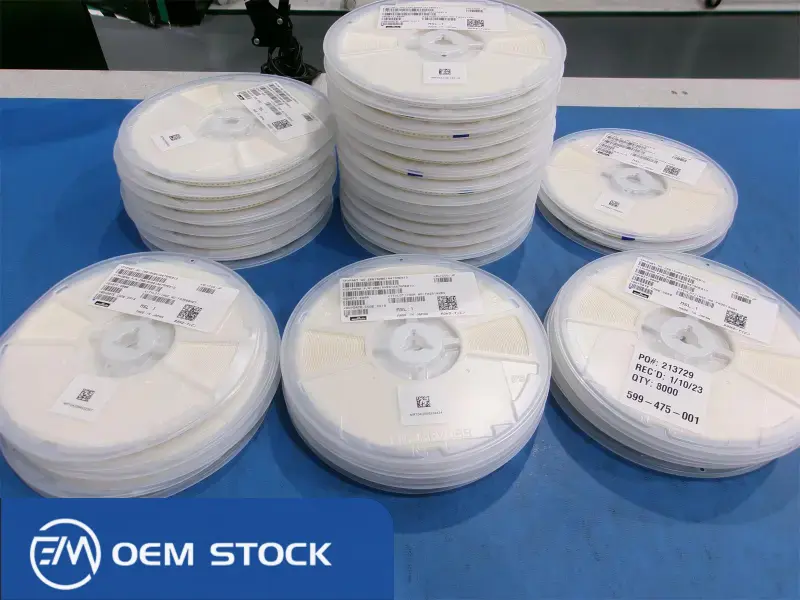
The best way to liquidate inventory depends on three things: what you're selling, how much demand exists for it, and how fast you need the cash. For most electronics manufacturers, working with an excess inventory specialist gives you the best balance between recovery value and speed. That said, every situation is different - so here's a breakdown of your main options.
|
Channel |
Best For |
Recovery Rate |
Speed |
Suitable for Electronics |
|
Excess inventory specialists |
EOL, large volumes, mixed part numbers |
★★★★ |
★★★★ |
Best option |
|
Direct B2B outreach |
High-demand parts with identifiable buyers |
★★★★★ |
★★ |
Strong fit |
|
Independent distributors |
Parts with active market demand |
★★★ |
★★★ |
Good fit |
|
Online auctions (eBay etc.) |
Small quantities, mixed lots |
★★ |
★★★ |
High risk |
|
Electronics recyclers |
No market value, end-of-life material |
★ |
★★★★★ |
Last resort |
|
Flash sales / clearance |
Consumer goods, retail products |
★★ |
★★★★ |
Not applicable |
For most situations, excess inventory specialists give you the best combination of speed and recovery value - especially for EOL components, mixed lots, and large volumes. Direct B2B sales can beat that on price, but only if you have the time and connections to make it work. Distributors are a reliable middle ground for high-demand parts. Online marketplaces and recyclers are best saved as a last resort - and if you're not sure which channel fits your situation, that's exactly what OEM Stock can help you figure out.
You can sell overstock inventory to excess inventory buyers, independent distributors, EMS providers, OEM manufacturers, and electronics recyclers. The right buyer depends on your component's demand status, condition, and quantity.
Each of these buyers is looking for something slightly different. Excess inventory buyers and distributors want parts with active market demand. EMS providers often buy to support repair programs or low-volume production runs. Other OEMs may need components that are still active in their own products but no longer in yours. Recyclers are there for everything else - the truly obsolete stock with no commercial value left.
The fastest way to find the right buyer? Let someone with an existing network do it for you. That's exactly what OEM Stock does - we connect sellers with qualified buyers worldwide, so you're not starting from scratch every time.
Aninventory liquidationcompany buys excess, surplus, and obsolete inventory from manufacturers and resells it through established buyer networks. In short, they turn your idle stock into cash - faster and at better recovery rates than most companies can achieve on their own.
Here's what that actually looks like in practice. A liquidation company starts by evaluating your inventory - looking at demand status, date codes, documentation, and quantity. From there, they match your components to qualified buyers in their network, handle the negotiation, and manage the transaction from start to finish. You don't have to spend weeks chasing down leads or fielding lowball offers from buyers who don't understand what your parts are worth.
The result? You recover cash faster, clear warehouse space, and stop paying carrying costs on stock that was never going to move on its own.

The most efficient way to get rid of old inventory is to act early, sort your stock by category, and match each type to the right liquidation channel. The longer you wait, the fewer options you have - and the less you'll recover.
Most companies don't lose money on liquidation because they chose the wrong channel. They lose money because they waited too long, treated all their inventory the same, or skipped the documentation step. Here are the five mistakes we see most often:
It's tempting to hold onto excess stock and hope a future project absorbs it. But if there's no confirmed internal demand within the next 90 days, that hope is costing you money. Components don't get more valuable with age - they get harder to sell. Start evaluating your liquidation options now, not later.
Not all excess inventory should go through the same channel. High-demand EOL components might attract direct OEM buyers. Standard overstock is usually a better fit for distributors. Truly obsolete inventory may only have recycling value. Lumping everything together and sending it to one buyer almost always means leaving money on the table somewhere.
Missing paperwork makes buyers nervous - and nervous buyers make lower offers. Before you contact anyone, get your Certificate of Conformance(COC), original purchase records, test reports, and date code information together. It takes an hour. It can make a meaningful difference in what you're offered.
When you need to move inventory fast, it's easy to jump at the first number that comes in. Resist that urge if you can. Getting quotes from multiple buyers takes a little more time, but it almost always results in better pricing and more favorable terms. You might be surprised how much offers can vary for the same lot.
This one catches a lot of companies off guard. Holding excess inventory isn't free - you're paying for warehouse space, insurance, inventory management, and lost working capital every single month. Run the numbers on your own stock. If your monthly holding costs are adding up faster than the value you'd gain by waiting for a better offer, liquidation is the smarter financial move. Usually by a wide margin.

Inventory liquidationis generally low-risk when working with qualified buyers and proper documentation. However, in the electronics industry, several risks should be considered:
A reliable buyer should offer transparent pricing, clear terms, and a documented process for handling your components. However, many buyers may appear legitimate at first glance. Here are key warning signs to watch for:
1. Cannot explain pricing
If a buyer cannot clearly explain how they calculated their offer, it may indicate a lack of understanding or transparency. While low offers can reflect market conditions, they should still be justifiable.
2. No clarity on inventory destination
Professional buyers should be able to explain where and how your components will be redistributed and verified. Vague answers are a red flag, especially in relation to counterfeit risk.
3. No electronics specialization
General liquidators may not understand semiconductor lifecycles, date codes, or component authentication. Electronics require specialized expertise for accurate valuation and safe handling.
4. Pressure to close quickly
Buyers who push for fast decisions without allowing proper due diligence may be prioritizing speed over accurate valuation. A credible buyer will allow time for review.
5. No verifiable track record
Always check company history, reviews, and certifications. A lack of verifiable presence or industry reputation is a strong warning sign.

At OEM Stock, we help manufacturers, EMS providers, and distributors liquidate excess electronic components, surplus inventory, and obsolete parts through a structured, data-driven process designed to maximize recovery value.
We begin with afree inventory evaluation, analyzing key factors such as market demand, lifecycle status, date codes, and documentation quality. This ensures your inventory is assessed based on real-time market conditions - not weight, volume, or generic estimates - so you receive an accurate valuation of what your stock is truly worth.
Next, we leverage ourglobal buyer networkto match your inventory with qualified OEMs, EMS companies, and distributors actively sourcing the components you hold. We manage the entire process, including buyer matching, negotiation, and transaction execution, reducing time spent on outreach and eliminating low-quality offers.
We support all types of electronic excess inventory, includingEOL components, surplus stock, slow-moving parts, and obsolete materials. If your inventory is no longer contributing to production, we help convert it into working capital efficiently.
Ready to get started? Contact OEM Stock for a free evaluation and receive a market-based assessment of your excess electronic components.
Timing is everything in inventory liquidation. The components that recover 60% of their value today might only recover 20% two years from now. Waiting rarely pays off - and in electronics, it almost never does.
The path forward is simple: identify what you have, figure out what it's worth today, and move it through the right channel before the market moves on without you.
Ready to get started? Contact OEM Stock for a free inventory evaluation. We'll tell you exactly what your excess components are worth - and the fastest way to turn them into working capital.
Yes. With carrying costs typically20%–30% annually (Deloitte), liquidation often provides better financial recovery than long-term storage, especially for excess or EOL electronic components.
Inventory liquidation timelines vary depending on demand, volume, and documentation quality:
The process is significantly faster when complete documentation is available, including COC, date codes, and original purchase records, because buyers can evaluate and price inventory more quickly.
Most buyers need part number, manufacturer, quantity, date code, packaging condition, and any available documentation - COC, test reports, and original purchase invoices. The more complete your information is upfront, the faster you'll get an accurate offer. Sending a vague inventory list with missing date codes almost always results in lowball offers - or no offers at all.
Yes, and don't skip it. A purchase agreement protects you if anything goes wrong after the sale - disputes over component condition, authenticity claims, or ownership transfer. At minimum, your contract should cover product condition, inspection rights, and who's liable once ownership changes hands. If a buyer pushes back on paperwork, that's a red flag in itself.
It can - in a good way. If you sell excess inventory below your original cost, that loss may be deductible depending on your region and business structure. Some companies also use liquidation proceeds to offset other taxable income. Tax treatment varies, so always run it by your accountant before you finalize a deal. But don't let tax considerations delay the decision - holding costs add up faster than most people expect.
Yes - but liquidation is usually the smarter move. A write-off clears the books, but it puts zero cash back into your business. Even a 10%–20% recovery rate through liquidation does. Tax rules vary by region and business structure, so consult a tax professional before going the write-off route. But if there's any remaining market demand for your components, exhaust your liquidation options first.
 Upload