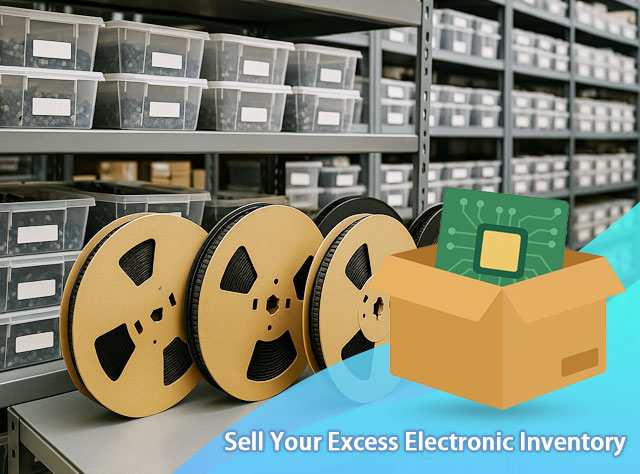
Obsolete inventory is inventory that can no longer be sold, used in production, or consumed because demand has disappeared or newer products have replaced it. In the electronics industry, obsolete inventory often includes discontinued ICs, end-of-life (EOL) semiconductors, legacy components, and excess stock from canceled projects.
Are you dealing with excess and obsolete inventory that is tying up warehouse space and working capital? At OEM STOCK, we help manufacturers, OEMs, EMS providers, and distributors recover value from surplus electronic components worldwide. In this guide, you'll learn what obsolete inventory is, what causes it, how to calculate it, how companies account for it, and the best ways to sell or prevent it.

In the electronics industry, obsolete inventory typically accumulates when products are discontinued, engineering specifications change, or manufacturers issue end-of-life (EOL) notices for critical components. Even parts that were once in high demand can quickly lose value as newer technologies enter the market.
Common examples of obsolete inventory include:
Companies generally classify inventory as obsolete when there is no realistic expectation that it will be used internally or sold through normal distribution channels.
The difference between excess inventory and obsolete inventory is that excess inventory still has potential value, while obsolete inventory has little or no realistic future demand.
Although the two terms are often used together as excess and obsolete inventory (E& O inventory), they represent different stages of inventory risk. Excess inventory may still be sold, transferred, or used in future production. Obsolete inventory, however, is no longer needed and often requires liquidation, resale through secondary markets, or write-offs.
|
Excess Inventory |
Obsolete Inventory |
|
More inventory than the current demand requires |
Inventory with little or no future demand |
|
May still support future production |
No longer supports production or operations |
|
Often recoverable through resale |
Usually requires liquidation or write-offs |
|
Retains market value in many cases |
Market value is often significantly reduced |
|
Can become obsolete if left unmanaged |
Already considered obsolete |
In many cases, excess inventory becomes obsolete inventory when demand disappears due to product discontinuations, engineering changes, or end-of-life (EOL) announcements. The earlier companies identify excess inventory, the greater their chances of recovering value before it becomes obsolete.
Obsolete inventory is typically caused by forecasting errors, product lifecycle changes, purchasing decisions, or shifts in market demand. In the electronics industry, rapid technology advancements and shorter component lifecycles make inventory obsolescence particularly common.
The most common causes of obsolete inventory include:
When actual demand falls below projections, excess inventory can accumulate and eventually become obsolete if it remains unused.
When a product reaches the end of its lifecycle, the components used to manufacture or support it may no longer be needed.
Design revisions often replace existing components with newer alternatives, leaving previously approved parts without future demand.
Canceled or delayed projects can leave manufacturers holding inventory that was purchased specifically for a planned production run.
When suppliers discontinue a component, companies may purchase more inventory than they ultimately need through last-time-buy programs, increasing the risk of obsolescence.
Without accurate inventory tracking, businesses may overlook slow-moving stock, order duplicate parts, or maintain excessive inventory levels.
Advancements in semiconductors, memory devices, processors, and communication technologies can quickly reduce demand for older components.
After reviewing the most common causes, one thing becomes clear: inventory obsolescence rarely happens because of a single mistake. In most cases, several factors combine over time.
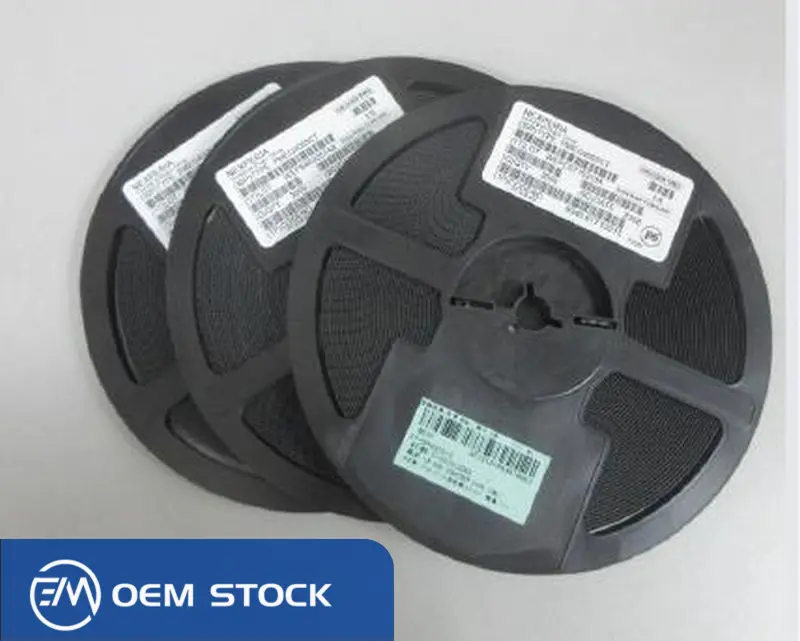
Identify obsolete inventory by reviewing inventory age, usage history, future production demand, and market activity. Most companies use inventory aging reports, ERP data, and demand forecasts to identify slow-moving stock before it becomes a complete write-off.
Common warning signs include:
Inventory that has not moved for 12 to 24 months is often considered at risk of obsolescence.
Components that no longer appear on active bills of materials (BOMs) may have limited future value.
Inventory associated with discontinued products often becomes obsolete quickly once production ends.
Falling sales activity may indicate that a component is losing market relevance and resale value.
Manufacturer EOL announcements often increase the risk of inventory obsolescence.
Inventory that remains in storage significantly longer than comparable components may require closer review.
Most inventory teams use aging reports to identify components that may become obsolete.
|
Inventory Age |
Typical Risk Level |
|
0–6 Months |
Low |
|
6–12 Months |
Moderate |
|
12–24 Months |
High |
|
24+ Months |
Very High |
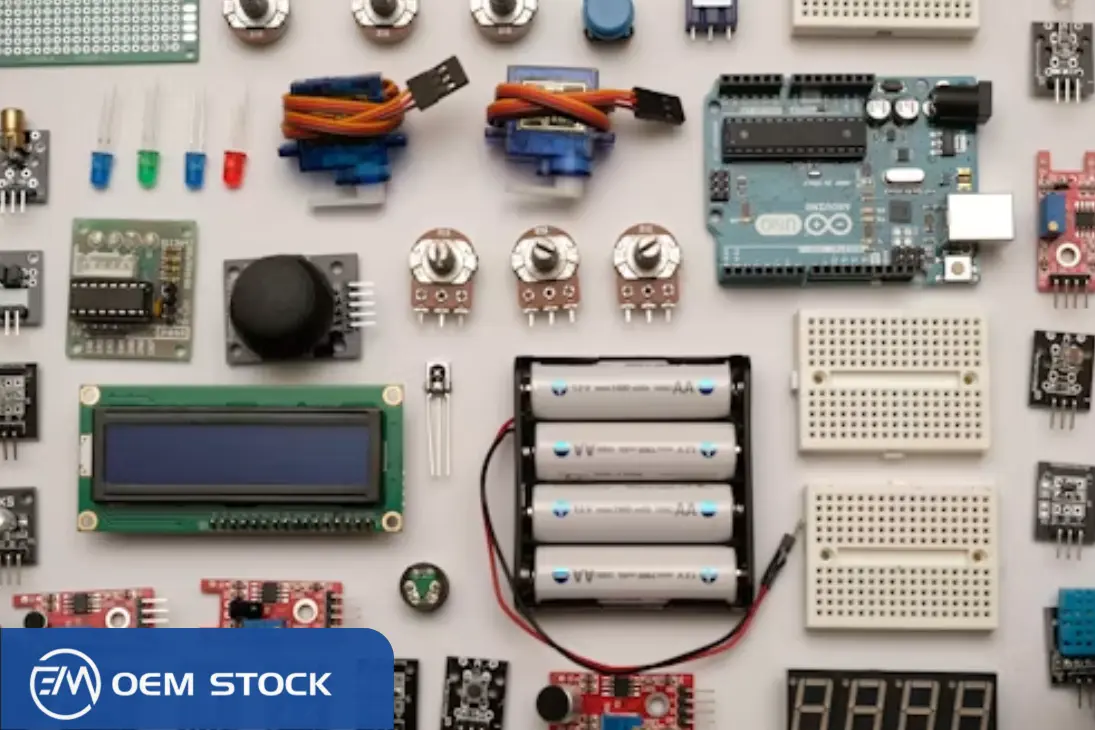
Yes. Obsolete electronic components often retain value in secondary markets that support legacy equipment and aftermarket repairs.
Discontinued and end-of-life (EOL) components often remain valuable to companies that support legacy equipment, aftermarket services, and long-term maintenance programs. As a result, obsolete inventory does not always have to become a write-off.
The resale value of obsolete inventory depends on factors such as market demand, component condition, traceability records, and storage history. Components that are properly stored and documented typically achieve higher recovery value.
Manufacturers, OEMs, EMS providers, and distributors frequently sell surplus inventory through specialized inventory recovery firms such as OEM STOCK to generate additional working capital.
The key is to act before obsolete inventory loses additional value. The longer inventory remains unused, the greater the risk that demand and recovery value will decline.
Obsolete inventory creates both direct and indirect costs for businesses. Beyond the value of the inventory itself, businesses must continue paying to store, manage, insure, and account for stock that no longer generates revenue.
Common costs associated with obsolete inventory include:
For large manufacturers, obsolete inventory can represent hundreds of thousands or even millions of dollars in trapped working capital. The longer the inventory remains unused, the greater the financial impact typically becomes.

Disposing of obsolete inventory helps businesses free up cash, reduce carrying costs, and improve inventory efficiency. The longer obsolete stock remains in storage, the more value it typically loses.
The main benefits of disposing of obsolete inventory include:
Obsolete inventory occupies valuable storage space that could be used for active, revenue-generating inventory.
Selling obsolete inventory converts unused assets into working capital that can be reinvested into purchasing, production, or business growth.
Supply chain teams reduce storage, insurance, handling, and inventory management costs when obsolete stock is removed from the warehouse.
Removing obsolete inventory provides a more accurate view of available stock and helps inventory planning teams make better decisions.
Taking action early reduces the chance that inventory will lose all resale value and require a full write-off.
According to the U.S. Environmental Protection Agency (EPA),recycling electronic materials helps reduce landfill waste and recover valuable materials, including metals used in electronics manufacturing.
Recycling or reselling obsolete electronic components helps reduce electronic waste and supports responsible inventory management practices.
Enter your total inventory value and obsolete inventory value to calculate your obsolete inventory percentage.
Calculate obsolete inventory by comparing the value of obsolete stock to the value of total inventory.
A commonly used formula is:
Obsolete Inventory Percentage = (Obsolete Inventory Value ÷ Total Inventory Value) × 100
For example:
Calculation:($50,000 ÷ $500,000) × 100 = 10%
This means 10% of the company's inventory is considered obsolete.
Finance teams often calculate an obsolete inventory reserve to estimate potential losses from inventory that may never be sold. Tracking this percentage regularly helps identify excess and obsolete inventory before it becomes a significant financial burden.
According to the Financial Accounting Standards Board (FASB), inventory should be reported at the lower of cost or net realizable value when impairment occurs.
Proper accounting helps organizations :
Regular inventory reviews and aging reports help businesses identify obsolete inventory early and maintain accurate inventory valuations.
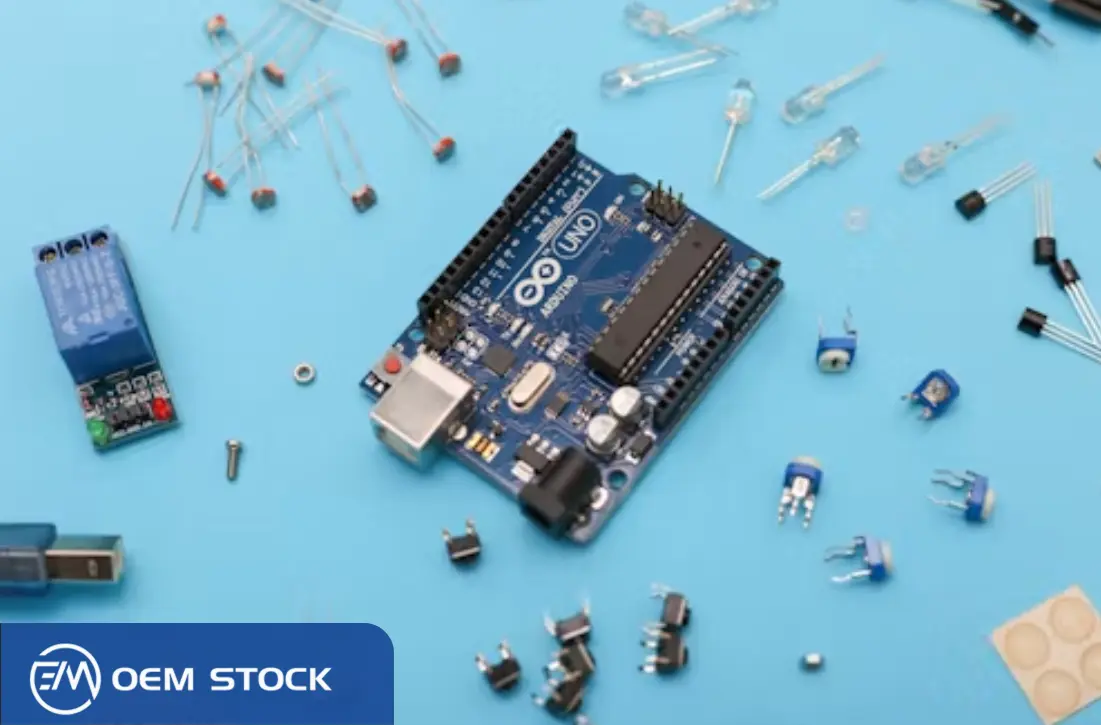
The best way to handle obsolete inventory depends on its condition, market demand, and potential recovery value. Acting early can help businesses recover more value and reduce carrying costs. Common options include:
Selling obsolete inventory to specialized buyers is often the fastest way to recover value. Companies such as OEM STOCK help manufacturers, OEMs, EMS providers, and distributors convert surplus and obsolete electronic components into working capital.
Some obsolete electronic components still have demand in the aftermarket, repair, and legacy equipment support sectors, creating resale opportunities.
When components no longer have resale value, electronics recycling can recover materials while ensuring responsible disposal.
Educational institutions, research organizations, and nonprofit groups may accept electronic components for training or research purposes.
If no practical recovery option exists, businesses may need to write off obsolete inventory and remove it from their financial records.
Early liquidation typically produces better recovery results than waiting until demand disappears completely.
Managing and preventing obsolete inventory requires better forecasting, inventory visibility, and lifecycle management. Companies should focus on identifying at-risk inventory early while implementing strategies that reduce future obsolescence.
The following practices can help reduce excess and obsolete inventory before it becomes a financial burden:
Use historical sales data, customer forecasts, and market trends to make more accurate purchasing decisions.
Review inventory aging reports regularly and take action on slow-moving stock before it becomes obsolete.
Monitor manufacturer end-of-life (EOL) announcements, product roadmaps, and technology trends to anticipate future demand changes.
Establish purchasing guidelines that help prevent overbuying and unnecessary stock accumulation.
Purchase components based on actual production requirements whenever possible rather than optimistic forecasts.
Routine inventory reviews help identify excess, slow-moving, and at-risk inventory before carrying costs increase.
Create plans for selling, redistributing, or liquidating excess inventory before it becomes obsolete.
Companies that proactively manage inventory performance typically reduce carrying costs, improve cash flow, and minimize excess and obsolete inventory over time.
Obsolete inventory is a common challenge for electronics manufacturers, OEMs, EMS providers, and distributors. Rapid technology changes, end-of-life (EOL) announcements, shifting demand, and forecasting errors can all contribute to excess and obsolete inventory that ties up warehouse space and working capital.
The good news is that obsolete inventory does not always have to become a total loss. By identifying slow-moving stock early, monitoring inventory aging, and implementing effective inventory management strategies, companies can reduce write-offs and recover more value from excess obsolete inventory.
Whether through resale, inventory recovery programs, recycling, or better lifecycle planning, taking action early is the most effective way to minimize inventory risks and improve operational efficiency.
OEM STOCK helps electronics manufacturers, OEMs, EMS providers, and distributors recover value from obsolete inventory, excess inventory, and surplus electronic components worldwide.
Whether you are holding discontinued semiconductors, excess stock from canceled projects, or end-of-life (EOL) components, our inventory recovery specialists can help identify resale opportunities and maximize recovery value.
Contact OEM STOCK today for a free obsolete inventory evaluation and inventory recovery quote.
Examples of obsolete inventory include end-of-life (EOL) semiconductors, discontinued integrated circuits (ICs), legacy memory devices, and excess components from canceled projects that can no longer be sold or used.
Yes. Many obsolete electronic components can still be sold through secondary markets, excess inventory buyers, and electronics recycling programs.
Obsolete inventory may still be classified as a current asset on a company's balance sheet. However, businesses often reduce their reported value through inventory reserves, write-downs, or write-offs to reflect their actual market value.
A provision for obsolete inventory is an accounting reserve established to cover expected losses from inventory that may no longer be sold or used. Finance teams use this provision to improve inventory valuation accuracy and reduce the risk of unexpected write-offs.
Obsolete inventory itself is not an operating expense. However, inventory write-downs, inventory reserves, and write-offs related to obsolete inventory are typically recorded as expenses that reduce profitability.
There is no fixed timeframe for inventory to become obsolete. Inventory that remains inactive for 12 to 24 months is commonly considered at risk of obsolescence. However, the timeline varies by industry and demand.
The 80/20 rule suggests that about 80% of inventory value typically comes from 20% of inventory items. Inventory managers use it to focus on high-value products and improve inventory management.
Industries with the highest levels of obsolete inventory include electronics manufacturing, automotive, aerospace, telecommunications, and medical device production.
 Upload