Upload


SMD Resistor Codes Explained: A Complete Engineer-Friendly Guide
Surface-mount resistors are compact, cost-efficient, and dominate modern PCB design. However, their small size often leaves little room for full value markings. Misinterpreting a marking-or assuming a value based on appearance-can easily lead to debugging sessions, failed prototypes, or subtle performance issues.
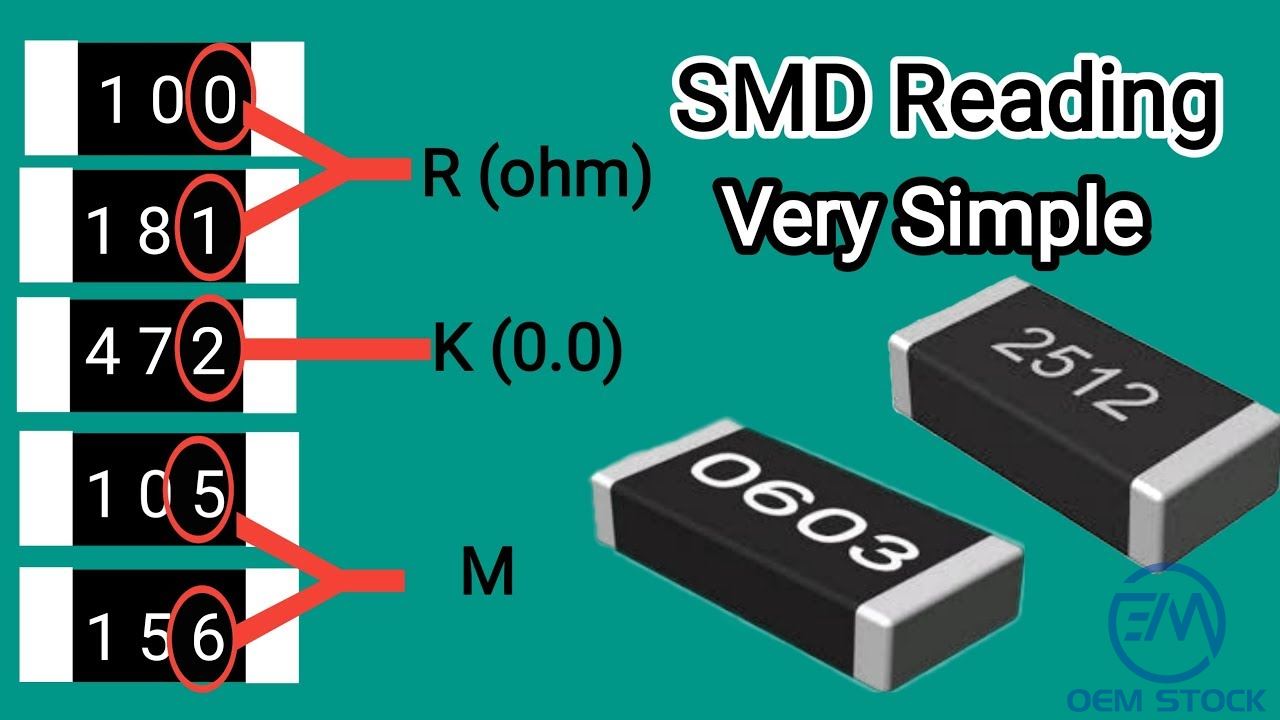
This guide breaks down every major SMD resistor marking system and provides reliable, experience-based tips for identifying resistor values correctly in real engineering workflows.
1. Why SMD Resistor Codes Matter More Than You Think
In production lines and repair benches, misreading a code can cause:
- Incorrect feedback gain in op-amp circuits
- Unstable voltage references
- Overcurrent in LED drivers
- Broken dividers in power supplies
- Unexpected ADC scaling errors
A single misplaced resistor may not cause immediate failure-it may simply degrade performance, leading to hours of troubleshooting. Understanding coding systems prevents those issues from happening in the first place.
2. Three-Digit SMD Resistor Codes
The classic system used on many 5% and some 1% resistors.
Format: XY Z
Where XY is the significant value and Z is the multiplier (power of 10).
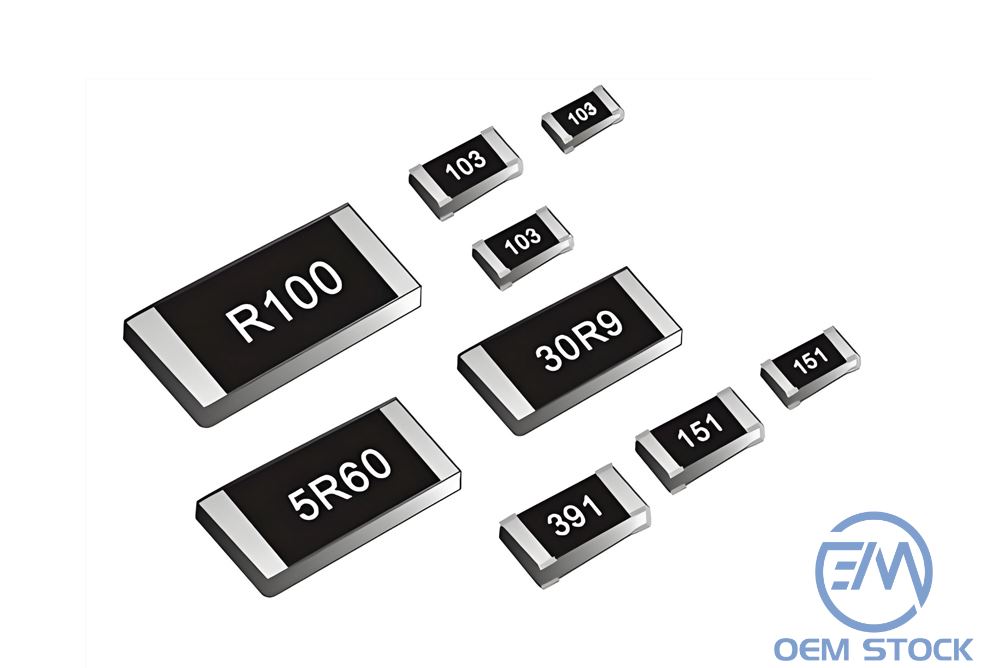
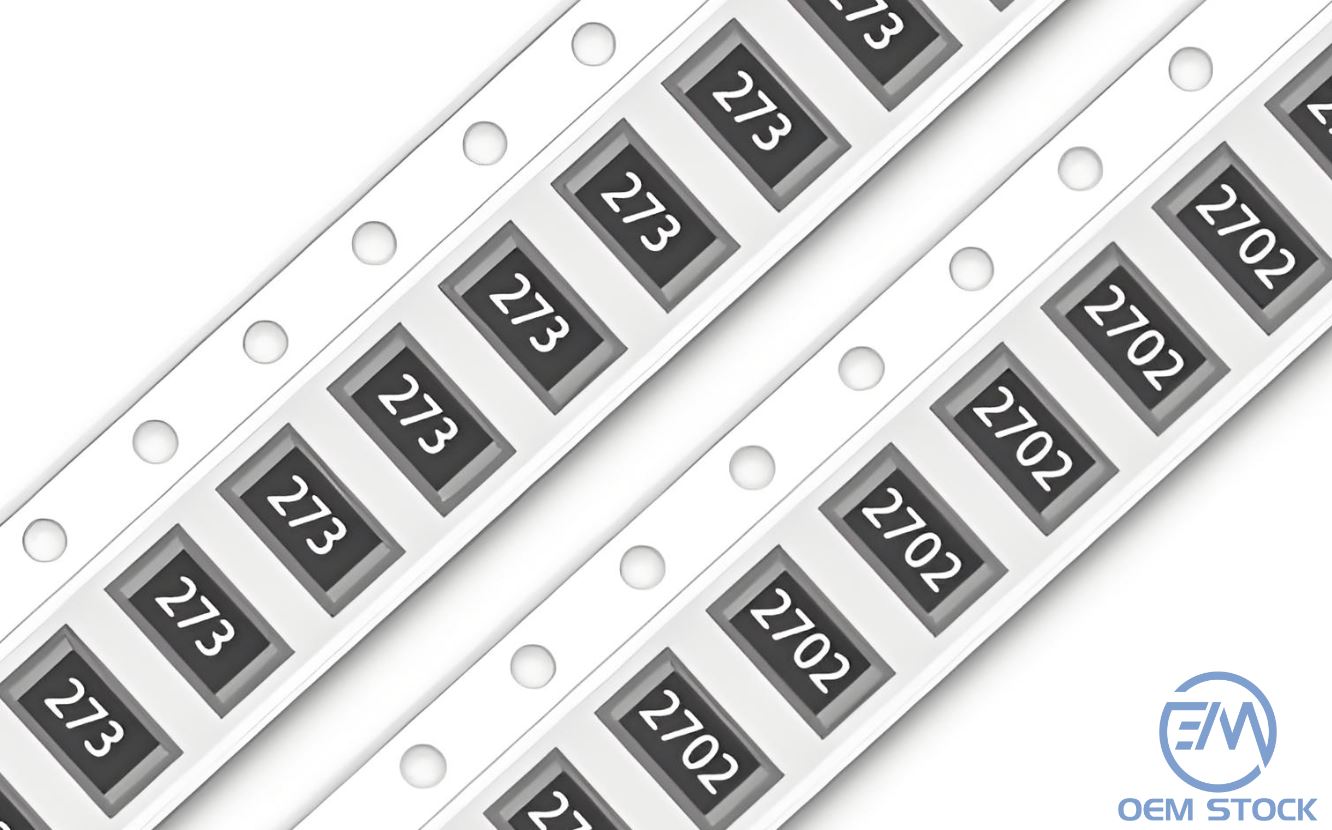
- 102 → 10 × 10² = 1,000 Ω (1 kΩ)
- 473 → 47 × 10³ = 47,000 Ω (47 kΩ)
- 221 → 22 × 10¹ = 220 Ω
This is straightforward but can be confusing when values are low. For low-ohmic resistors, manufacturers often insert an "R".
3. Four-Digit SMD Resistor Codes
Used primarily for 1% resistors where additional precision is required.
Format: XYZ W
Where XYZ are significant digits and W is the multiplier.
- 1001 → 100 × 10¹ = 1,000 Ω (1 kΩ)
- 4992 → 499 × 10² = 49.9 kΩ
- 2371 → 237 × 10¹ = 2.37 kΩ
4. R-Code Markings (Decimal Indicator)
Low-value resistors use "R" to indicate the decimal point, making values easier to read and reducing ambiguity.
- R10 → 0.10 Ω
- 1R0 → 1.0 Ω
- 2R20 → 2.20 Ω
These markings are common in power resistors and current-sensing networks.
5. EIA-96 Code System (For Precision 1% Resistors)
The EIA-96 system is the most confusing because it compresses values into a two-digit number and a letter multiplier.
Format: XY L
Where XY is a base value index (00–96) and L is a multiplier.
Example: 68C
- "68" corresponds to a base value from the E96 table → 499
- "C" corresponds to ×100 multiplier
- Final value: 499 × 100 = 49.9 kΩ
Why it was created: to allow high-accuracy values on very small packages without long markings.
6. Why Many Small SMD Resistors Have No Marking
0402, 0201 and 01005 packages are too small to print codes reliably. In these cases, the only accurate reference is:
- The BOM
- The pick-and-place file
- The PCB design database
- Measurement with a precision ohmmeter (with the circuit powered off)
For critical networks-such as instrumentation amplifiers-engineers often compare against a known-good board during failure analysis.
7. Common Mistakes When Reading SMD Codes
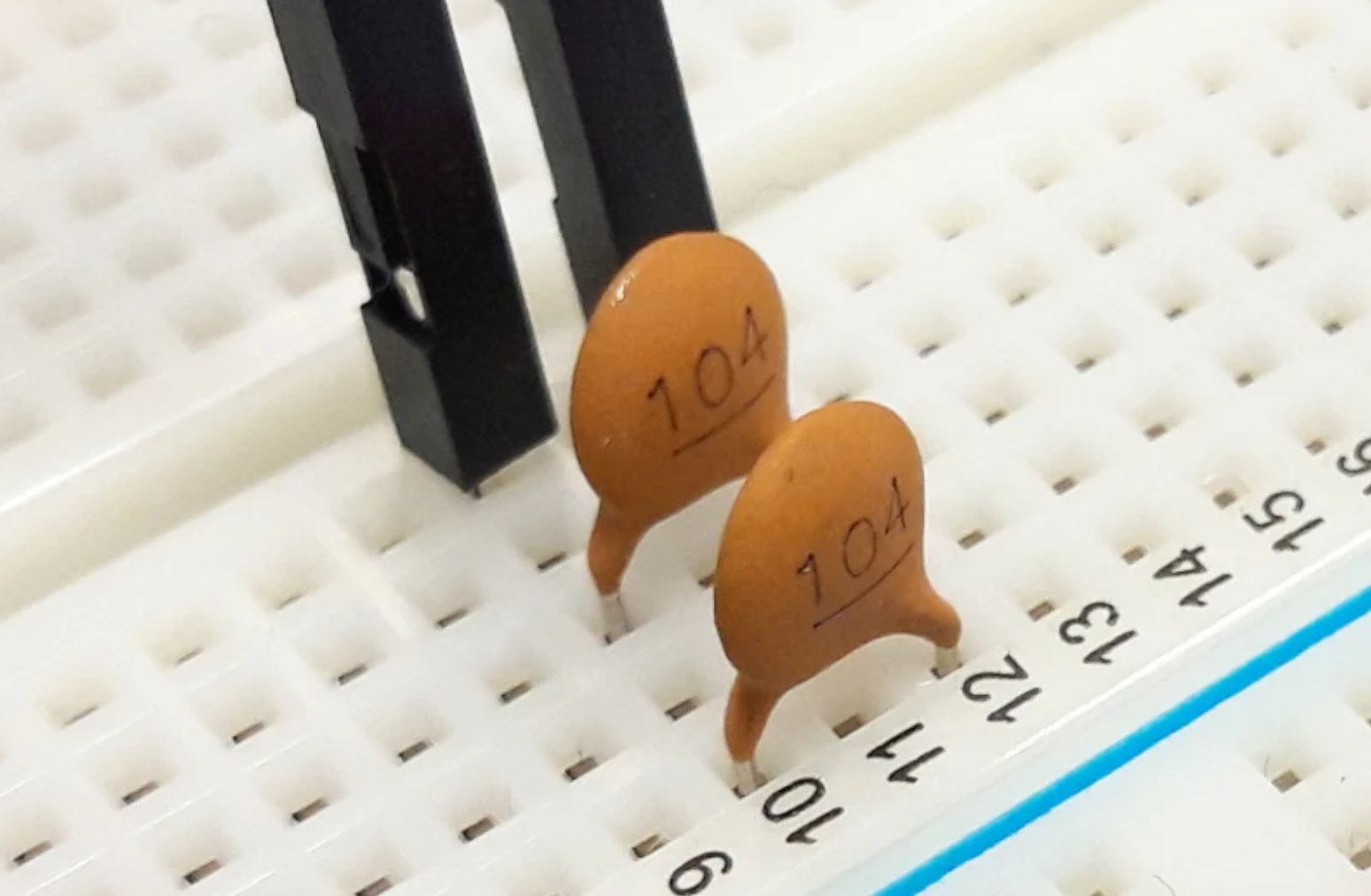
- Confusing capacitor markings with resistor codes
- Assuming all 3-digit codes follow strict tens multipliers (R-code exceptions)
- Mixing EIA-96 values with 3-digit codes
- Not measuring low-value resistors where solder/joint resistance matters
- Misreading worn, faded or contaminated markings during repairs
8. Practical Tips from the Field
- When in doubt, measure the resistor out of circuit or compare with a known board.
- Document critical resistor values near sensitive analog paths.
- For mixed-technology systems, always check the BOM for TCR (ppm/°C), not just nominal resistance.
- Do not rely solely on visual inspection-codes can fade or be misprinted.
9. Final Thoughts
SMD resistor codes seem simple on paper, but they play a major role in ensuring accurate assembly and diagnostics. Understanding how to read and verify these codes helps prevent subtle but costly design issues and speeds up troubleshooting on real hardware.
Whether you're designing a high-volume product or repairing industrial electronics, correctly interpreting SMD codes is a skill that pays off every day.
Related information

- 2025.10.28 Choosing the Right LED Resistor for 12V LEDs