Even experienced hobbyists can get tripped up when working with LED resistors. A single wrong value or wiring oversight can leave you with a dim light, a hot resistor - or a completely dead LED. This guide lists the most frequent errors made when designing or wiring LED circuits, explains why they happen, and shows you how to fix them with practical tips.
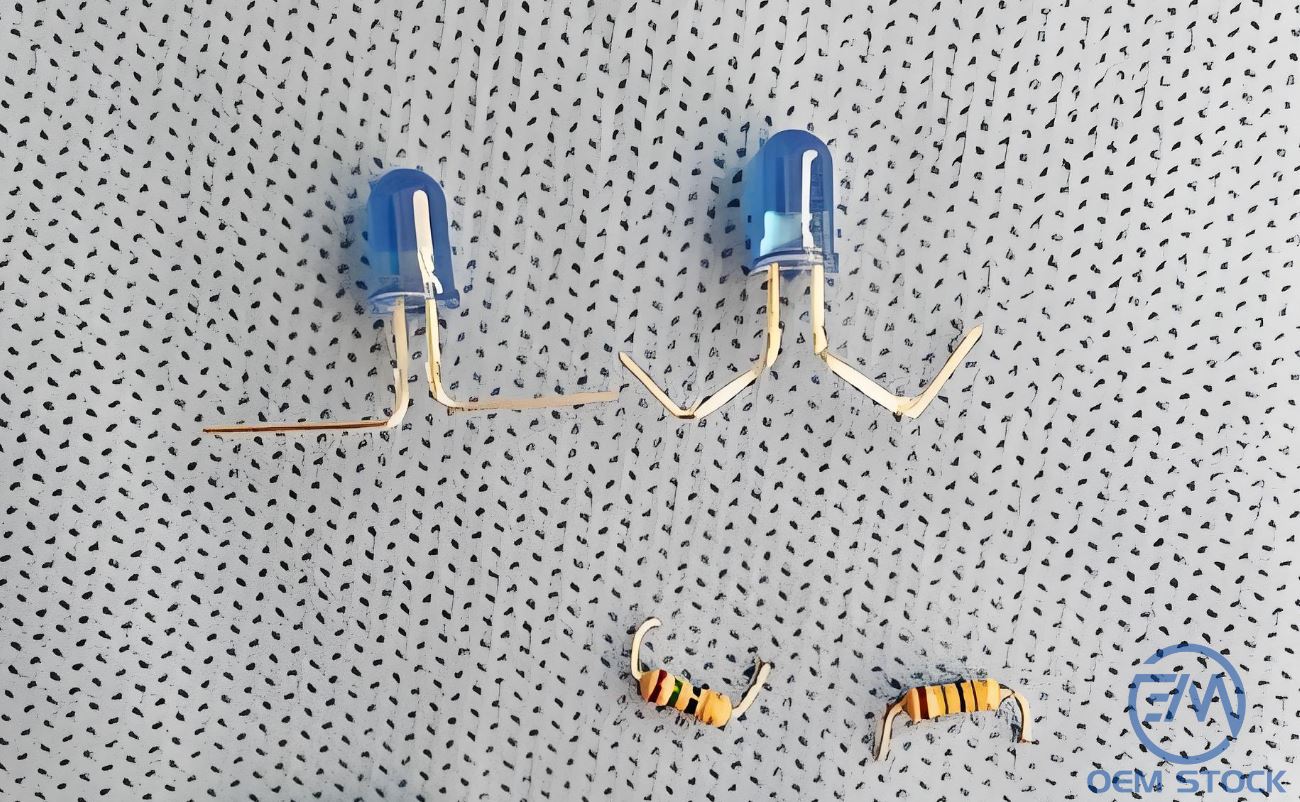
LEDs are current-driven devices. If the current isn't limited correctly, they will draw too much, overheat, and fail. Resistors act as simple current limiters, but only when chosen and installed correctly. Even small miscalculations can mean the difference between a perfect glow and a burnt-out diode.
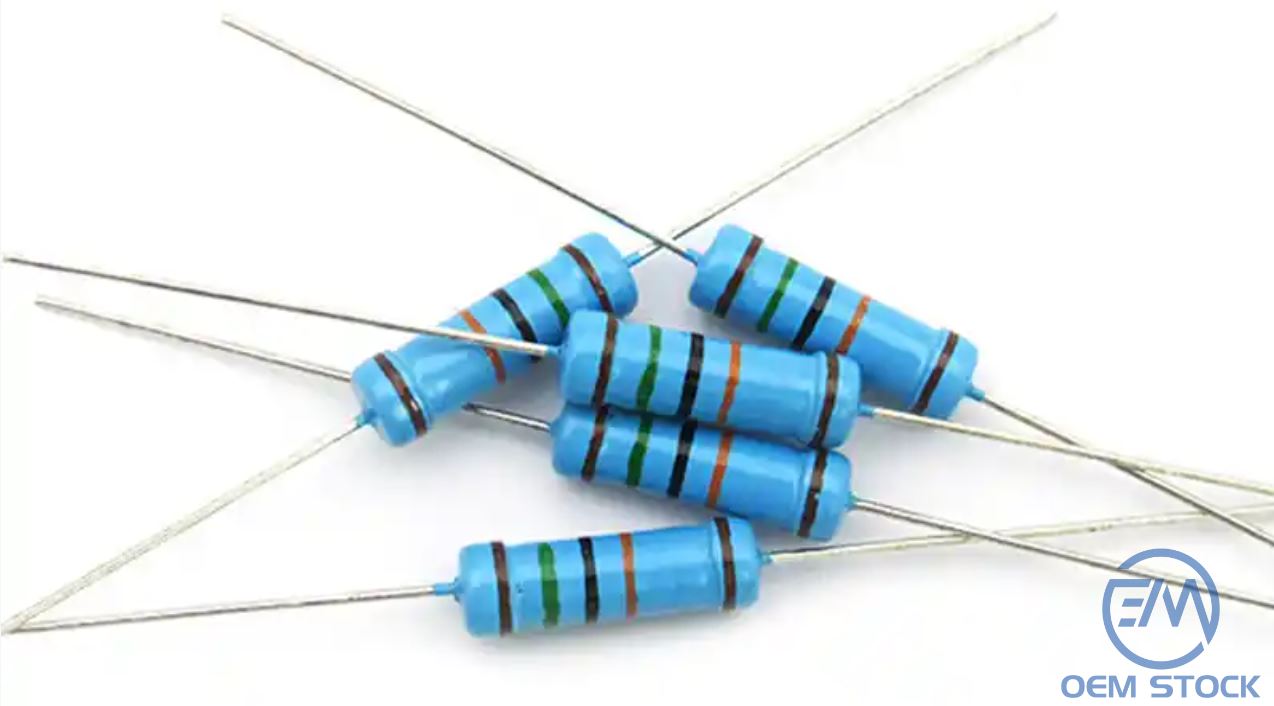
The most common error is using a resistor that's too low (LED too bright → short life) or too high (LED too dim → barely visible). Always use Ohm's Law R = (Vs − Vf)/If and round to the nearest or slightly higher E12 value.
Each resistor dissipates heat equal to P = (Vs − Vf) × If. If the resistor's wattage rating is lower than that, it will overheat and can burn or crack.
In parallel LED circuits, each LED's forward voltage is slightly different. If you use one resistor for all branches, one LED hogs more current and burns first, then others follow.
Connecting LEDs directly to a battery or power supply - especially 9 V or 12 V - causes uncontrolled current surge. The LED will glow briefly and die almost instantly.
LEDs are diodes - current only flows one way. If you swap the anode (+) and cathode (−), the LED won't light at all. Repeated reverse-voltage exposure may even break its junction.
Car systems often swing between 11 V and 14.4 V. A resistor sized for 12 V may allow excessive current at 14.4 V, leading to shorter LED life or overheating.
Even if values are correct, tightly packed or enclosed resistors can build up heat, raising internal temperature and changing resistance.
Dim or uneven light typically results from large resistor tolerances, long wiring, inconsistent supply voltage, or parallel LEDs sharing a resistor.
| Problem | Likely Cause | Solution |
|---|---|---|
| LED burns out instantly | No resistor or R too low | Add proper series resistor; recalc R = (Vs − Vf)/If |
| LED very dim | R too high or Vf higher than expected | Re-measure Vf and adjust R down slightly |
| Resistor extremely hot | Under-rated wattage | Upgrade to ≥ 0.5 W or 1 W resistor |
| Uneven brightness in parallel | Shared resistor | Use one resistor per LED branch |
| No light at all | Polarity reversed or open circuit | Check orientation & continuity |
| LEDs flicker in car | Voltage fluctuation | Calculate for 14 V or use constant-current driver |
It's dissipating more power than it's rated for. Recalculate P = (Vs − Vf) × If and use a resistor with at least 2× that wattage.
Only with a series resistor. Without it, the microcontroller's I/O pin can be damaged. Use R ≈ (5 − Vf)/0.015 ≈ 200–330 Ω.
Small Vf differences cause current imbalance. Give each LED its own resistor so each branch carries only its designed current.
Use thicker supply wires to reduce voltage drop, or power strips from both ends. Ensure each segment has the correct resistor or driver.
 Upload